Jacket Electric Heater
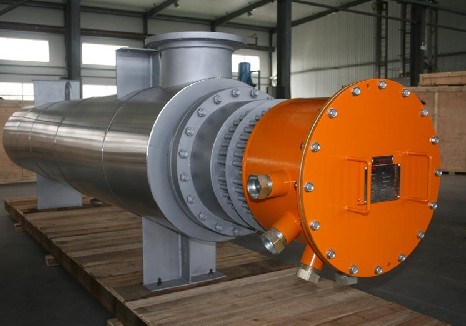
The jacket-type electric heater, also often referred to as armored electric heater, is a special and important form of tubular electric heater. Its core design concept is "isolated heating", which places the heating core inside a larger jacket tube so that it does not directly contact the medium being heated, thereby solving many pain points of ordinary heating tubes under specific working conditions.
Core Structure and Working Principle
The jacket-type electric heater mainly consists of two major parts:
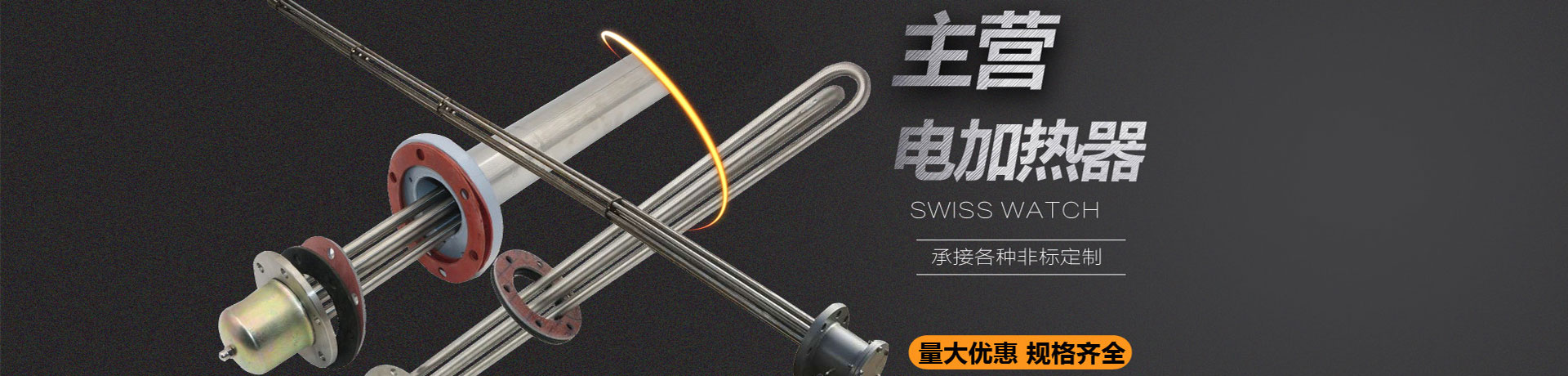
Heating core: As the core heat source, it is usually composed of one or more tubular electric heating elements. Inside, there are high-temperature resistant alloy heating wires, filled with high-purity magnesium oxide powder as insulation and heat conduction medium, and the outside is a metal tube.
Jacket tube: A metal sleeve with a larger diameter, usually made of cold-drawn seamless steel pipe or stainless steel. The heating core is placed inside it, forming an annular space between the two, which can be filled with heat transfer oil or other media, or left unfilled.
During operation, the heat generated by the heating core is conducted to the external medium through the wall of the jacket tube. This structure makes heat distribution more uniform, effectively avoiding excessive surface temperature of the heating element.
Core Advantages
Compared with ordinary immersion heating tubes, jacket-type electric heaters have three prominent advantages:
Easy maintenance, no need to stop and drain liquid: This is its most significant advantage. When the heating core needs to be replaced, there is no need to drain the oil or liquid in the tank or container; simply pull out the old core and insert a new one, greatly shortening maintenance time and reducing downtime losses.
Prevent medium coking and extend service life: The jacket tube increases the heat dissipation area, significantly reducing the surface power density (usually required to be ≤0.7 W/cm²), allowing heat to dissipate evenly, fundamentally avoiding coking and aging of the oil due to local overheating, ensuring the performance of the medium and the service life of the heater itself.
Safe and reliable, strong adaptability: The jacket isolates the heating element from the medium, effectively preventing impurities and moisture in the medium from corroding the heating core, and also avoiding the risk of short circuits caused by medium leakage. Some models can also be designed with explosion-proof structures, suitable for hazardous locations.
Main Application Fields
Jacket-type electric heaters are specially designed for heating viscous, heat-sensitive, or media requiring high reliability, and are widely used in:
Hydraulic and lubrication systems: Heating hydraulic oil and lubricating oil, improving low-temperature start-up performance, and ensuring stable system operation.
Heat transfer oil systems: Providing uniform and safe heating for heat transfer oil, preventing oil carbonization.
Chemical and pharmaceutical industries: Heating non-corrosive or weakly corrosive liquids and gases to meet process temperature requirements.
Wind power equipment: Used for oil heating and insulation in wind turbine gearboxes and hydraulic systems.
Selection and Usage Points
Key Selection Parameters
Heating medium: Clarify the type of medium (such as mineral oil, heat transfer oil) and its chemical properties, which determine the material selection of the jacket tube (such as 304/316L stainless steel, carbon steel).
Surface power density: This is a core indicator. When heating oil media, the power density on the jacket surface must be controlled at ���0.7 W/cm², which is key to preventing coking.
Working temperature and pressure: Confirm the maximum working temperature of the medium and system pressure to ensure the heater operates within a safe range. Usually, the heat transfer temperature is ≤300°C, and the working pressure is ≤0.8MPa.
Installation method: Choose flange connection, threaded connection, etc., according to the equipment structure. Flange connection is the most common, convenient for installation and subsequent maintenance.
Explosion-proof requirements: If installed in an environment with explosive gases, it is necessary to choose models with corresponding explosion-proof levels (such as dIIBT4/dIICT4) and protection levels (such as IP65).
Usage Precautions
Strictly prohibit dry burning: The effective heating area must be fully immersed in the liquid; dry burning will quickly damage the heating core.
Regular cleaning: Although it is not easy to coke, it is still necessary to regularly check the outer wall of the jacket tube, and clean any dirt or carbon deposits in time to ensure heat dissipation efficiency.
Electrical safety: Ensure the shell is effectively grounded, and the working voltage must not exceed 1.1 times the rated value.
Standard wiring: The distribution control box to the heater should be connected with appropriate high-temperature wires.