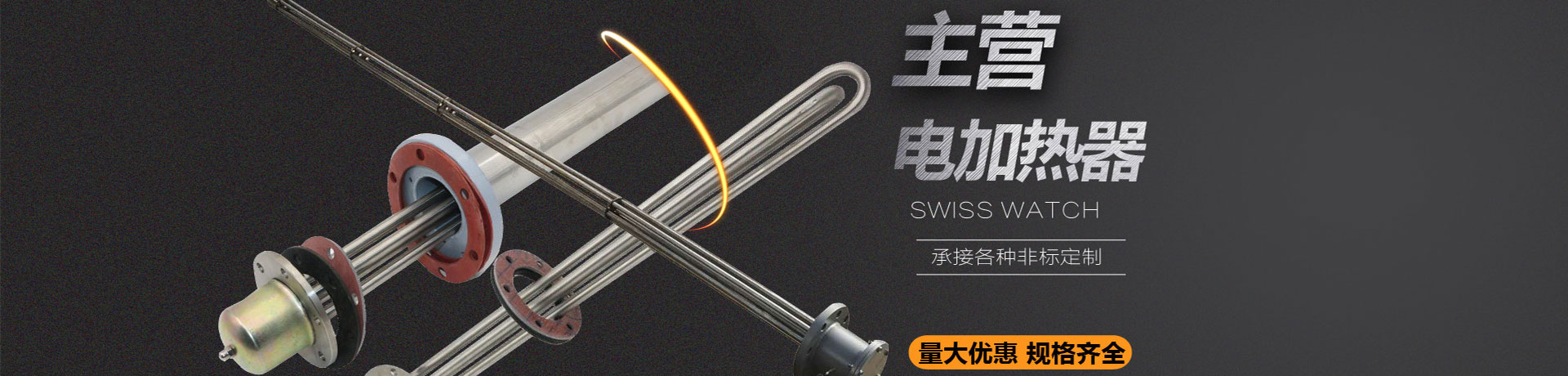
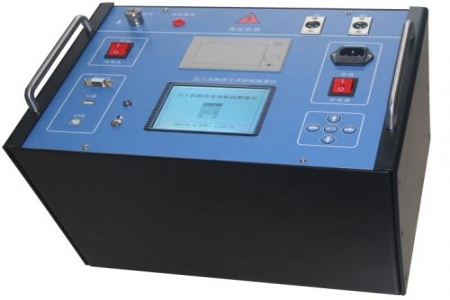
The flameproof surface of the wiring cavity must be kept clean, the fastening bolts should be fully tightened, and the sealing rings must not be aged or missing. The power cable diameter should match the rated current, and the grounding terminal must be reliably connected. The installation location should avoid areas where flammable and explosive gases accumulate, and space should be reserved for maintenance.
When the heating tubes and flanges are made of 304 or 316L stainless steel, it is still necessary to verify whether the corrosiveness of the medium is within the material's tolerance range. The medium must not contain large amounts of particulate matter or components prone to scaling; if necessary, install a filter device at the inlet.
The temperature control range of 0-2300°C must be used in conjunction with temperature sensors and interlock protection. Under pressure, the low-temperature fluid medium enters the heater from the inlet, carries away the high-temperature thermal energy generated by the electric heating elements along the internal specific heat exchange channels, and is discharged from the outlet after its temperature rises. During operation, the outlet temperature and flow rate should be monitored; when the flow rate is too low, cut off the heating power promptly to prevent local overheating.
Check the flameproof surface for corrosion once a quarter, remove surface contaminants, and apply a thin layer of anti-rust grease. Measure the insulation resistance of the electric heating elements every six months; if it is below the specified value, drying treatment or replacement is required. Before restarting after long-term shutdown, run at low load first and observe whether the temperature rise is stable.