Bolt Electric Heating Rod
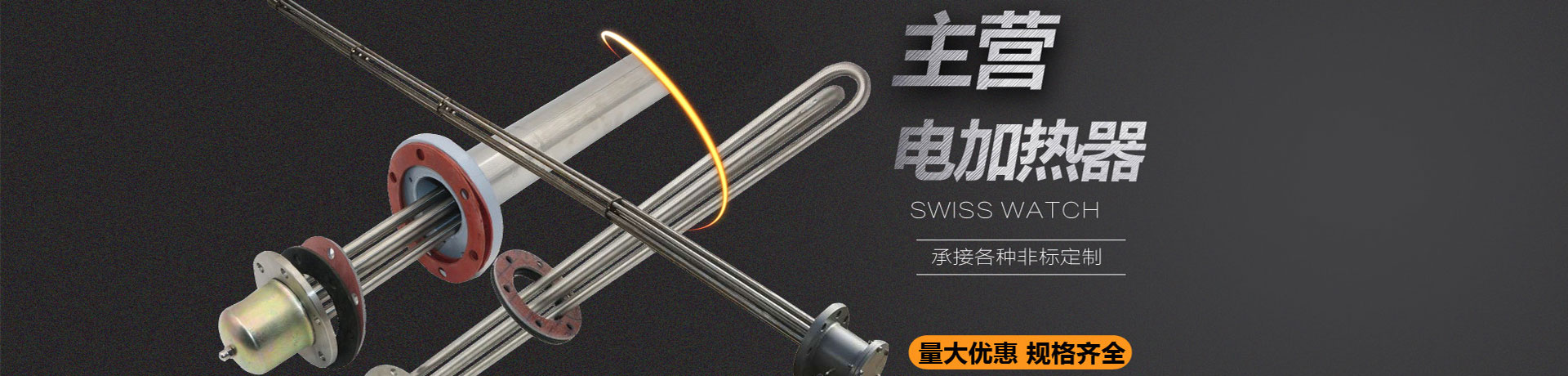
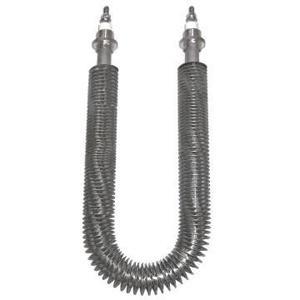
Bolt electric heating rod is an electric heating tool specifically used for hot tightening/removal of high-strength bolts in large equipment such as steam turbines, boilers, and pressure vessels. Its working principle is to insert the heating rod into the central hole of the bolt and energize it to heat, causing the bolt to expand and elongate due to heat, facilitating nut tightening or removal; after cooling, the bolt contracts, achieving precise preload control.
Working Principle
The bolt heating rod generates heat by passing current through high-resistance electric heating alloy wire, which is conducted through magnesium oxide insulation layer to the stainless steel protective sheath, and then uniformly heats the inner wall of the bolt. After heating, the bolt expands and elongates axially, allowing easy tightening or loosening of the nut; after power-off and cooling, the bolt contracts, producing precise axial preload to ensure the sealing of flange connections.
Executive Standard
The industry standard for bolt heating rods is ZBK54019-88 "Steam Turbine Bolt Electric Heater", which specifies model specifications, technical requirements, and test methods.
Key Technical Parameters
Table
Download as Table
Export as Image
Parameter Typical Range
Rated Voltage 220V±20V / DC 100V / Low Voltage 50V
Surface Power Density 8~11 W/cm²
Power Deviation ±5%
Diameter Specification 10mm~30mm
Length Range 100mm~4500mm
Working Temperature Up to 400℃
Insulation Resistance ≥50MΩ
Withstand Voltage 1500V/1min no breakdown
Hot-state Leakage Current ≤0.5mA per kilowatt
Cumulative Service Life ≥50 hours (intermittent heating)
Material Composition
Heating Wire: 0Cr27Al7Mo2 high-resistance electric heating alloy wire, working temperature 400℃, implemented per GB1234 standard
Insulation Layer: High-purity magnesium oxide powder (conforming to HG3-1294-80), must be dried before use
Protective Sheath: 1Cr18Ni9Ti heat-resistant stainless steel tube, formed by cold drawing and tube reduction, surface must be free of defects such as cracks
Cold End Sealing: Sealed tightly to prevent moisture intrusion from damaging insulation
Structural Types
According to actual working conditions, bolt heating rods are divided into three structural forms:
Straight tube type (rigid tube): Rigid straight rod structure, suitable for bolts with sufficient insertion space
Flexible tube type: Has certain flexibility, can bend to adapt to confined spaces
Semi-flexible type: Between the two, balancing rigidity and flexibility
In addition, there are coil-type cable heaters, which can be coiled into any diameter and length, suitable for narrow occasions without overhead lifting space.
Typical Model Examples
Taking the standard DJ22 series as an example (suitable for bolts with center hole diameter d=22.6±0.2mm):
Table
Download as Table
Export as Image
Model Applicable Bolt Sheath Length (mm) Heating Length (mm) Power (W)
DJ22-1 M56×4 255 100 550
DJ22-6 M56×4 405 250 1400
DJ22-7 M76×4 315 125 900
DJ22-13 M76×4 540 350 2350
In actual procurement, specifications are usually customized according to specific bolt sizes. For example, the K09 series purchased by a certain power plant covers diameters of 9mm/15mm/18mm/22mm, with power ranging from 1.5kW to 10kW.
Usage Precautions
Heating Uniformity: Must ensure uniform heating, strictly avoid local overheating, to prevent cracks in bolts
Gap Control: The total gap between the bolt center hole and the heating rod outer diameter should be controlled at 0.8~1.3mm
Straightness Requirement: When insertion length ≤1m, centerline straightness ≤0.3mm; for 1~2m, ≤0.4mm
Heating Position: Heat the bolt shank section, avoid directly heating the threads and nut part
Grounding Requirement: The outer shell must have good grounding
No Open Flame: It is forbidden to insert a torch directly into the hole for static heating to prevent local overheating of the hole wall causing cracks
Typical Application Scenarios
Power Industry: Hot tightening/removal of steam turbine cylinder flange bolts, boiler manhole door bolts
Petrochemical: Reactor flange, heat exchanger tube sheet bolts, pipeline flanges
Heavy Machinery: Fastening bolts for large pressure vessels, forging equipment
Marine and Offshore: Main engine cylinder head bolts, pipeline flange bolts
Selection Key Points
Match Bolt Specification: Confirm bolt diameter, center hole diameter, and depth
Determine Structural Form: Choose straight tube/flexible tube/coil type based on installation space
Power Calculation: Determine power based on bolt material, size, and required temperature rise
Supporting Control Cabinet: Need DC adjustable control cabinet, some scenarios require PID temperature control module
Explosion-proof Requirements: Hazardous places such as petrochemical need explosion-proof type, conforming to corresponding explosion-proof level