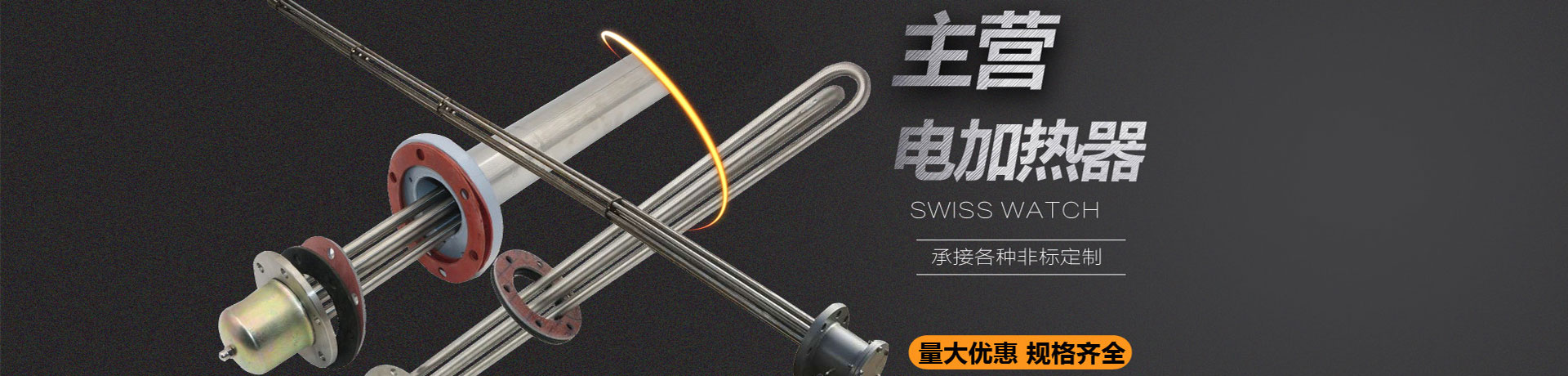
At turbine maintenance sites, bolts often seize or have insufficient tightening torque due to long-term high-temperature and high-pressure operation. Traditional flame heating or resistance wire winding methods have problems such as uneven temperature and high operational risks, while the LDR-12 bolt electric heating rod uses insert-type direct heating, concentrating heat in the central hole of the bolt, which can effectively alleviate the above phenomena.
Compared with ordinary electric heating tubes, the LDR-12 bolt electric heating rod has made targeted designs in materials and structure: the heating material uses 0Cr27A17Mo2 high-resistance electric heating alloy wire, with a working temperature up to 400°C, meeting the requirements of GB1234 "High-Resistance Electric Heating Alloys"; the insulating material magnesium oxide is selected according to HG3-1294-80 "Magnesium Oxide" and has been dried; the protective sleeve uses 1Cr18Ni9Ti heat-resistant stainless steel tube. Compared with flame heating, this heating rod has controllable temperature and requires no open flame; compared with electromagnetic heating solutions, its structure is simple, has no special requirements for bolt materials, and is suitable for on-site rapid disassembly and assembly operations.
The LDR-12 bolt electric heating rod is mainly used for bolt disassembly and assembly maintenance of large equipment such as steam turbines and gas turbines. During use, note: if PTFE sealing parts remain in the bolt hole, since the applicable temperature of PTFE immersion electric heating tubes is usually controlled below 110°C, direct high-temperature contact should be avoided. It is recommended to use a temperature control device to limit the heating temperature within the allowable range of the bolt material to ensure heating uniformity and operational safety.