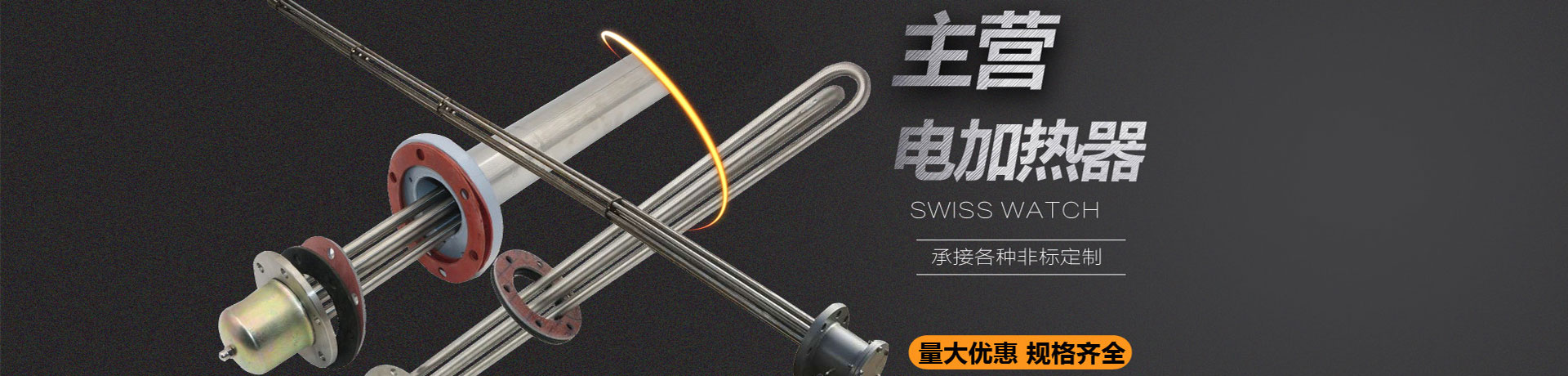
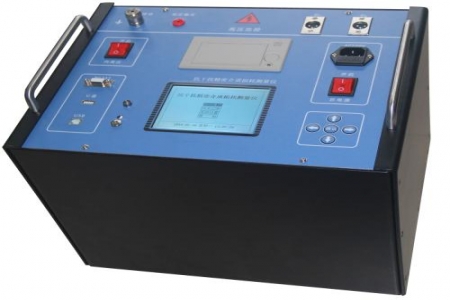
The ZDR-300 hot and cold heat exchanger is suitable for industrial temperature control scenarios, with a working temperature range covering -20°C to 300°C. Cast aluminum or cast copper heat exchange plates can be selected according to process requirements. The surface load of cast aluminum plates is 2.5–4.5 W/cm², and cast copper plates can reach 3.5–5.0 W/cm². The equipment supports various installation forms such as flat plate, right angle, air cooling, and water cooling.
When selecting a heat exchanger, medium temperature, heating and cooling rates, and installation space must be comprehensively considered. Cast aluminum heat exchangers are suitable for medium- and low-temperature uniform heating occasions such as plastic machinery, die heads, and water heaters, and their cost is relatively low; cast copper heat exchangers have better thermal conductivity and high mechanical strength, and are often used in chemical pipelines, alloy die-casting machines, and high-requirement molds. If the medium is corrosive, the material compatibility of the heat exchange plate should be confirmed.
The equipment can integrate a temperature controller or thermal fuse to achieve temperature limit protection. The working voltage must not exceed 10% of the rated value, and the housing must be reliably grounded. The wiring terminals should be kept clean and dry, and the insulation resistance should be checked regularly. When used in humid or dusty environments, it is recommended to install a protective cover and shorten the maintenance cycle.
During installation, ensure that the heat exchange surface fits tightly against the heated body, and thermal conductive silicone grease can be applied to reduce contact thermal resistance. For water-cooled heat exchangers, the cooling water should be filtered and its hardness controlled to avoid scaling that affects heat exchange efficiency. Before restarting after long-term shutdown, the electrical circuit and insulation performance need to be tested.