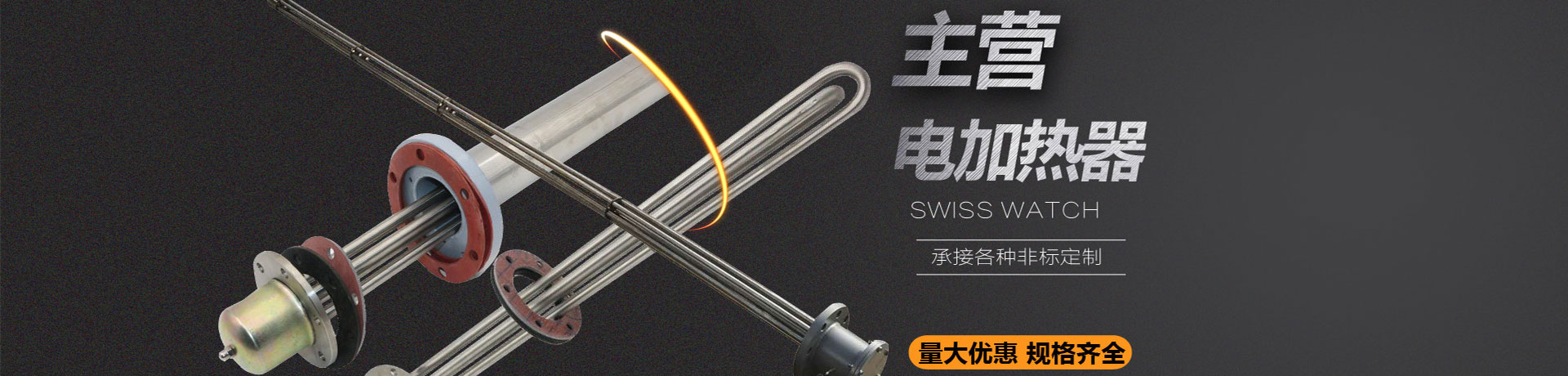
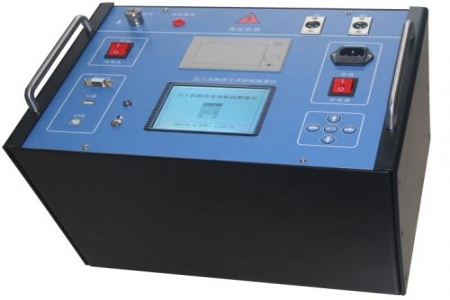
During design and selection, a common problem is often encountered: the heated surface needs uniform heating, but the contact between the heating element and the heated surface is line contact or point contact, causing concentrated heat and obvious temperature gradients. How can a heating plate be selected to improve this?
The contact between an electric heating coil or heating rod and the heated surface is usually line contact or point contact, and heat diffuses outward by conduction, easily forming obvious temperature gradients. The cast aluminum electric heating plate casts resistance wire into an aluminum alloy plate body, forming surface-contact heat transfer, so the temperature distribution on the heated surface is relatively uniform.
If the equipment operates above 450°C for a long time, it is recommended to evaluate cast copper material. For conventional medium- and low-temperature heating, the cast aluminum solution can reduce the variety of spare parts inventory while balancing thermal conductivity and cost.
During selection, it is necessary to specify length, width, thickness or inner diameter, operating voltage, required power, maximum operating temperature, and lead wire length. The conventional power density of the DBR-750 cast aluminum electric heating plate does not exceed 3.5W/cm², the operating voltage is 220V or 380V, and the lead wire length can be customized according to the wiring distance.
This product is suitable for medium- and low-temperature heating applications such as plastic machinery, molds, and packaging equipment. During installation, it is necessary to ensure that the plate surface fits tightly against the heated surface to take advantage of surface-contact heat transfer.