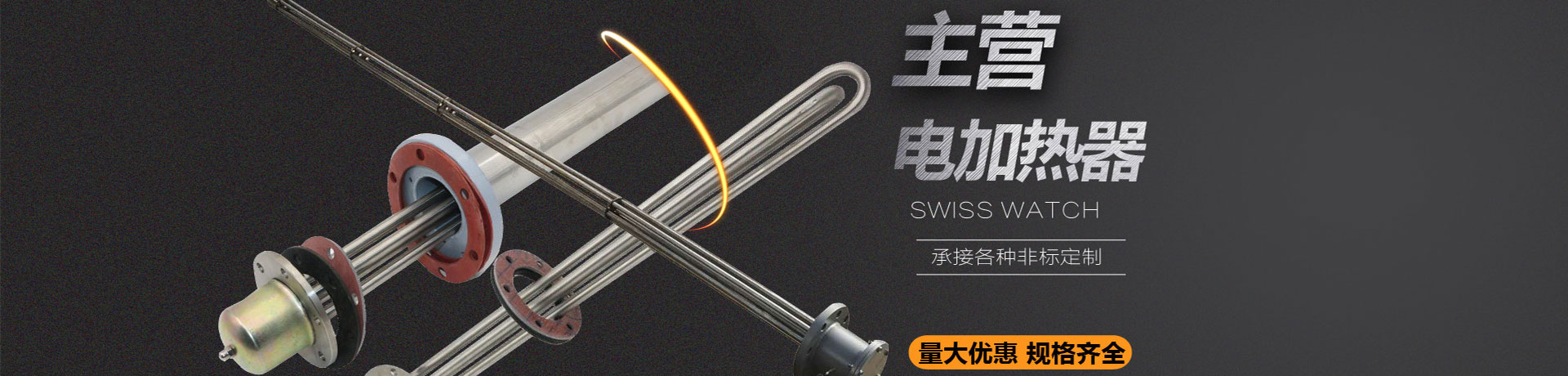
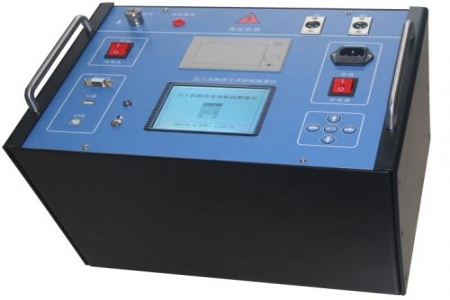
During the design and selection stage, under high-temperature flue gas or steam medium conditions, localized overheating of the finned tube bundles in finned-tube heat exchangers leads to fin oxidation and spalling, as well as tube bundle creep failure, which is a common difficulty reported by selection personnel. The root cause often lies in the uneven temperature field distribution on the heat exchange surface, while at the design stage there is a lack of means to identify high-temperature areas.
To address the above issues, the HZQ-760 finned-tube heat exchanger allows, through structural design, adjustment of the tube bundle arrangement to change the flow path and velocity distribution of the medium through the heat exchange surface, so that the high-temperature medium preferentially enters the low-temperature heat exchange zone, reducing localized heat load concentration. At the same time, temperature monitoring point interfaces can be reserved at key positions of the tube bundles, facilitating the later installation of thermocouples or thermal resistors and providing data conditions for identifying high-temperature areas during operation. During design and selection, it is recommended to combine the medium inlet temperature and flow parameters, communicate with the manufacturer regarding the tube bundle arrangement scheme, and clarify the number and positions of monitoring points.
If the heat exchanger is used with electric heating elements, wiring should be connected strictly according to the voltage marked on the nameplate, and reliable grounding must be ensured. During installation, the sealing at the connection between the finned tube bundles and the air duct or flue duct must be ensured to avoid medium short-circuiting affecting heat exchange efficiency. For vertically installed heat exchangers, a drain port should be provided at the lowest point to facilitate draining the medium during shutdown maintenance.
Finned tube bundles are customized components, and there are differences in tube material specifications and fin spacing between different high-temperature sections and low-temperature sections. It is recommended to store a small number of finned tubes of the same specifications separately for the high-temperature section and the low-temperature section, so that local fin damage can be promptly replaced and downtime waiting time reduced. Maintenance records should indicate the position number and replacement date of each tube bundle for traceability.