Q: During on-site operation and maintenance, the explosion-proof markings of electric heating furnaces and organic heat carrier furnaces are easily confused. How should they be distinguished? A: The explosion-proof rating of an electric heating furnace is determined by the furnace body structure, commonly Ex d IIC T6 Gb, suitable for IIC gas environments such as hydrogen and acetylene. If an organic heat carrier furnace adopts an explosion-proof structure, it can be used in factory Zone II explosion-proof areas, with an explosion-proof rating up to Class C. The difference is: the former directly heats the material, while the latter transfers heat indirectly through a heat carrier. During selection, it is necessary to confirm whether the process medium allows direct contact with the electric heating elements.
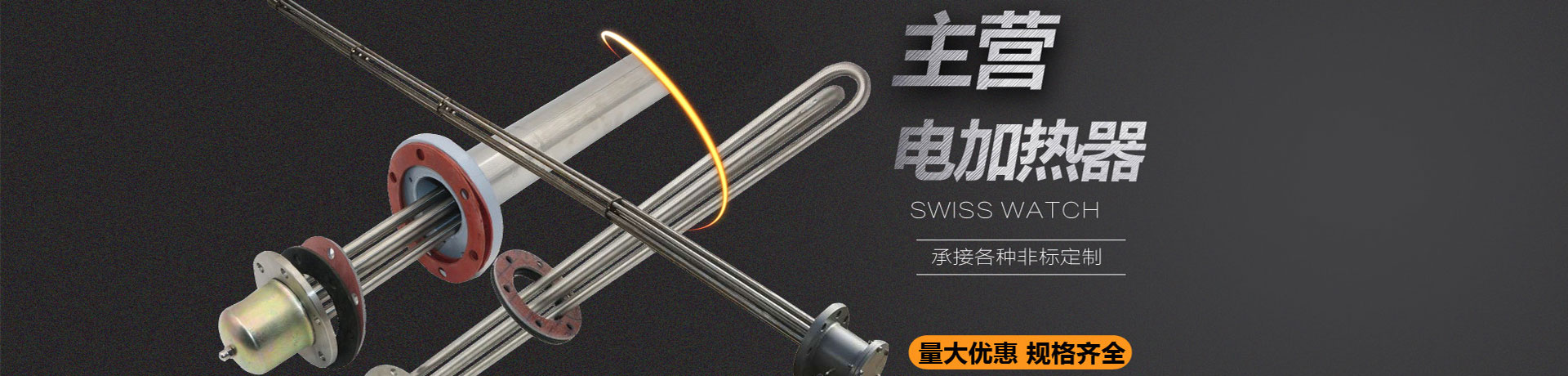
Q: When melting solid oils such as asphalt and paraffin, the tube wall of the electric heating furnace is prone to coking. What methods can alleviate this? A: It is recommended to adopt a low surface heat load design and control the tube wall temperature not to exceed the coking point of the medium. The JXF-380 electric heating furnace evenly arranges heating elements, making the tube wall temperature distribution more uniform, suitable for scenarios of melting solid oils such as asphalt and paraffin, and can reduce the risk of coking on the tube wall. During operation and maintenance, the surface cleanliness of the heating tubes should be checked regularly to avoid local overheating.
Q: What data should on-site operation and maintenance personnel focus on recording during daily inspections of electric heating furnaces? A: Mainly focus on three-phase current balance, tube wall temperature, outlet medium temperature, and insulation resistance. If the current deviation exceeds 10%, check whether the heating elements are aging. When the insulation resistance is below 1MΩ, shut down for inspection. The JXF-380 electric heating furnace has a rated voltage of 380V, power of 30kW, design pressure of 0.6MPa, and working temperature up to 300°C.
Q: During operation of an electric heating furnace, when do heating elements need to be replaced? A: When the measured current continuously falls below 85% of the rated value, or the tube wall temperature abnormally rises while the medium temperature does not increase, it may be due to oxidation of the heating wire or damage to the insulation layer. It is recommended to measure the cold resistance once a quarter, and arrange replacement if the deviation exceeds ±10%. When replacing, use sheathed heating tubes of the same specification to ensure the integrity of the coaxial three-layer structure of core wire-insulation-sheath.