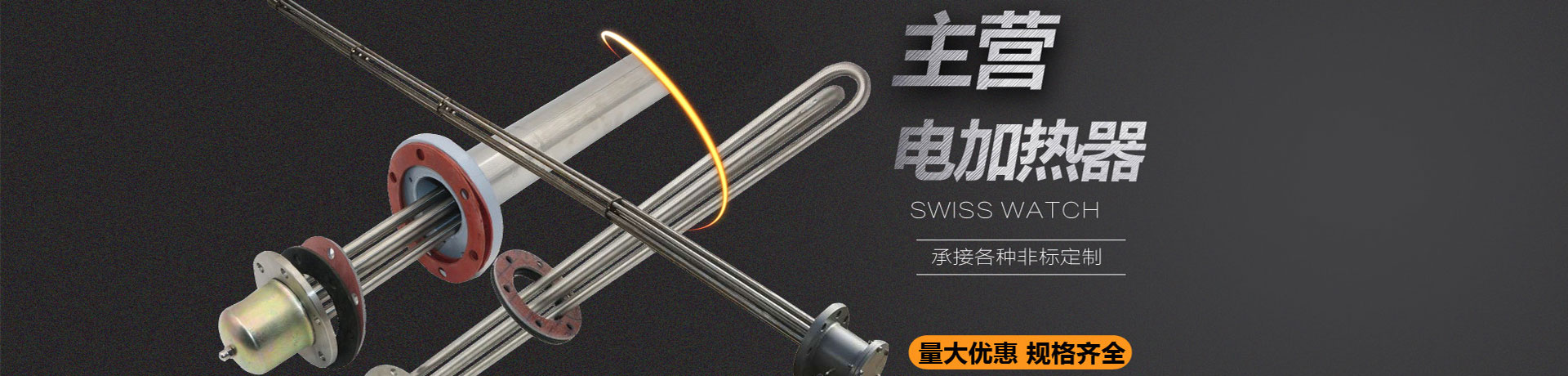
Based on the standard manufacturing range of inner diameters from 30mm to 500mm and widths from 10mm to 200mm, the BXS-30 brazed stainless steel heat exchanger is suitable for parameter matching during the design selection stage. Compared with plate heat exchangers that use removable gasket seals, this model integrates the stainless steel plate pack into a single unit through vacuum brazing, eliminating rubber seals and reducing the probability of medium cross-contamination caused by seal aging. Compared with shell-and-tube solutions, its heat exchange area per unit volume is increased, which can reduce floor space in retrofit projects with limited installation space.
When used in low-power heating components such as rice cookers and electric irons, this heat exchanger can replace some finned heating solutions. Because the brazed structure has higher pressure resistance than conventional adhesively bonded finned structures, it can withstand certain pressure fluctuations in liquid heating and insulation circuits. Design and selection personnel should note: brazed stainless steel heat exchangers are not suitable for media with high chloride ion concentration, and the 316L material grade performs better than 304 in pitting corrosion resistance under such working conditions.
In oil cooling circuits of machinery manufacturing and textile equipment, the compact flow channels of this model can reduce the system oil charge; in heating table applications in the food industry, the stainless steel surface is easy to clean, but long-term contact with strongly acidic cleaning agents should be avoided. Compared with copper heat exchangers, its corrosion resistance is more stable in sulfur-containing media, while the heat transfer coefficient is slightly lower, so about 10% to 15% additional area margin should be added during selection.
When machining non-standard sizes according to drawings, designers are advised to provide medium flow rate, working pressure, and inlet/outlet orientation to confirm the flow channel combination. During installation, ensure that the brazed surface is not subjected to concentrated stress, and pipeline connections should use flexible supports.