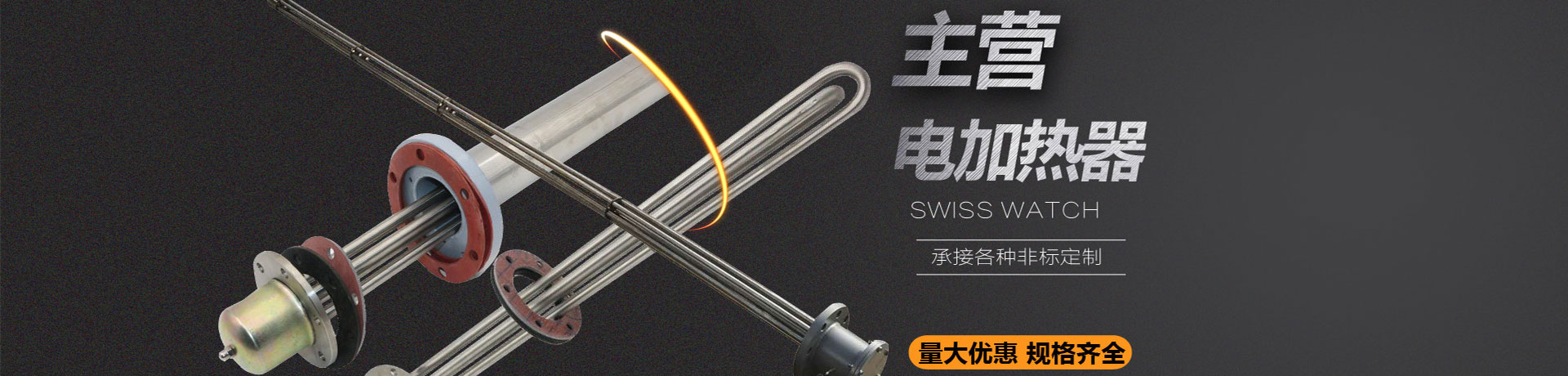
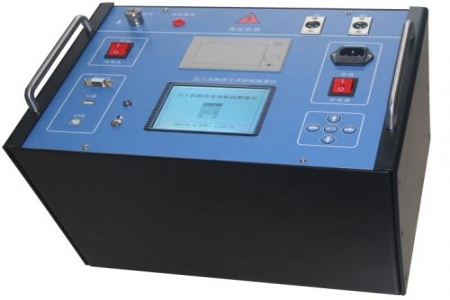
When selecting equipment, procurement personnel often encounter a question: for the same heating process, should they choose a resistance furnace or an induction furnace? This article uses the RX3-75-12 box-type resistance furnace as a reference to compare the differences between the two types of equipment in terms of procurement concerns.
The RX3-75-12 uses resistance wire heating, with good temperature uniformity in the furnace chamber. The working temperature can reach 1200℃, making it suitable for workpieces in various forms such as blocks, powders, thin plates, and wires. Induction furnaces rely on electromagnetic induction to make conductive workpieces heat themselves, with fast heating and thermal efficiency of 72%~85%, but they have requirements for workpiece conductivity and are mostly used for melting, through-heating, and surface quenching of bars, pipes, and rings. If the incoming materials are diverse in form and the batch is flexible, resistance furnaces offer broader adaptability.
The electrothermal conversion efficiency of both is close to 100%, but the overall thermal efficiency differs: the overall thermal efficiency of industrial resistance furnaces is about 50%~80%, while induction furnaces can reach 72%~85% under specific working conditions. During procurement, it is necessary to calculate the energy consumption per piece based on the production rhythm, rather than only looking at instantaneous efficiency. The RX3-75-12 has a rated power of 75kW and uses a 380V three-phase power supply, making it suitable for medium and large batch heat treatment.
This model is equipped with a PID intelligent temperature controller, with temperature control accuracy of up to ±1℃, and supports multi-stage program heating and cooling, meeting the process requirements of annealing, quenching, and sintering. The temperature control accuracy of induction furnaces is about ±1.0℃, but they are sensitive to workpiece dimensional consistency. Procurement personnel should choose based on the process temperature curve and workpiece consistency requirements.
The equipment is equipped with over-temperature alarm, thermocouple break protection, leakage protection, and emergency stop switch. The lower temperature at the edge of the furnace door sealing strip does not necessarily indicate sealing failure; it needs to be investigated in conjunction with furnace chamber temperature uniformity, first confirming whether there is overload. During procurement, suppliers can be asked to provide furnace chamber dimensions (customizable according to workpieces) and temperature control system communication interface (RS485) options.