
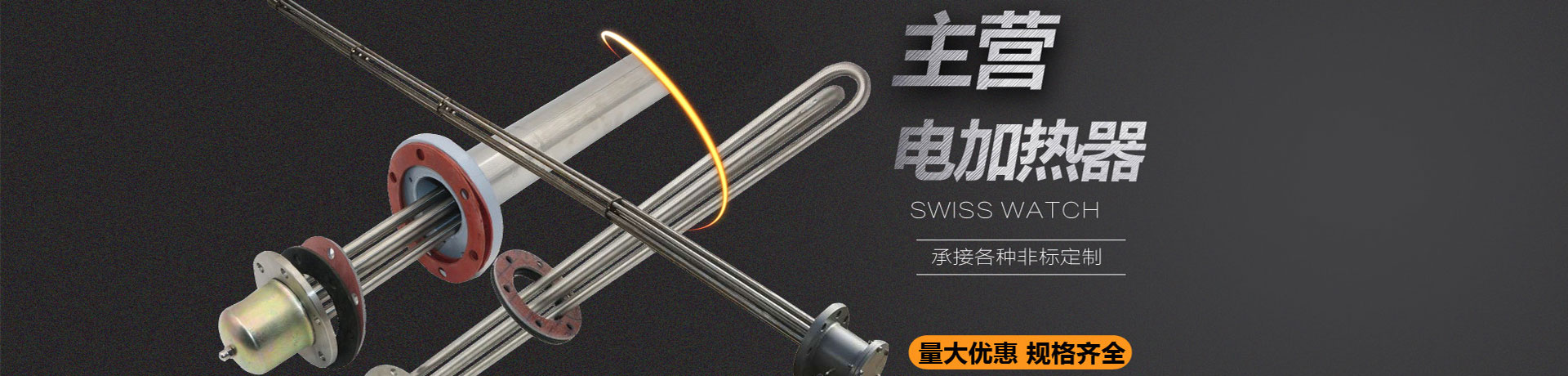
In modern manufacturing, especially in industries such as plastic molding, rubber processing, and metal casting, mold preheating and temperature control are critical processes. The SRM type mold heater, as a high-performance tubular electric heating component, provides an efficient and precise solution for mold heating, ensuring product quality and production efficiency.
Core Features of SRM Type Mold Heater
Far-infrared Heating Technology:
The SRM type heater can radiate far-infrared rays with wavelengths greater than 3 micrometers. This long-wave far-infrared can penetrate deep into materials, achieving uniform heating, and is particularly suitable for heating and drying organic substances and other materials containing moisture, such as paint, cotton cloth, glass, plastics, and food.
Wide Range of Applications:
This type of heater is widely used for heating metal molds, such as plastic injection molds, rubber vulcanization molds, and metal die-casting molds, ensuring that molds reach the ideal temperature, thereby improving yield and production efficiency.
Precise Temperature Control:
SRM type heaters are typically equipped with precise temperature control systems that can set and maintain a constant mold temperature according to process requirements, avoiding the impact of temperature fluctuations on product quality.
Durability and Safety:
Using high-quality materials and advanced manufacturing processes, SRM type heaters have a long service life, and built-in safety measures, such as overheat protection, ensure the safety of the heating process.
Customization Services:
Customized heater designs are provided, allowing for the design and production of heaters based on specific customer requirements, such as mold dimensions, heating power, and installation methods, to ensure optimal heating performance.
Working Principle and Structure
The SRM type heater mainly consists of heating elements, insulating materials, a sheath, and lead wires. The heating element is typically a resistance wire encapsulated inside the sheath, which is usually made of high-temperature resistant metal, such as stainless steel, to ensure durability and thermal conductivity. Insulating materials are used to isolate the heating element from the sheath, preventing current leakage.
Installation and Usage Precautions
Precise Installation: The dimension "B" of the SRM type heater must be completely within the installation position of the mold to avoid damage to the heater due to improper installation.
Regular Maintenance: Regularly inspect the connection parts and insulation layer of the heater to ensure there is no wear or corrosion, maintaining the heater's performance.
Operational Training: Operators should receive professional training to become familiar with the usage and safety regulations of the heater, avoiding damage caused by improper operation.
Conclusion
As a professional equipment in the industrial heating field, the SRM type mold heater provides strong support for manufacturing with its efficient heating capability and precise temperature control. With continuous technological advancements, improvements in material science and design optimization of SRM type heaters will bring higher production efficiency and product quality to a broader range of industrial applications. Manufacturers and users should pay attention to the latest developments in heaters, choose products that best meet their production needs, and enhance overall competitiveness.