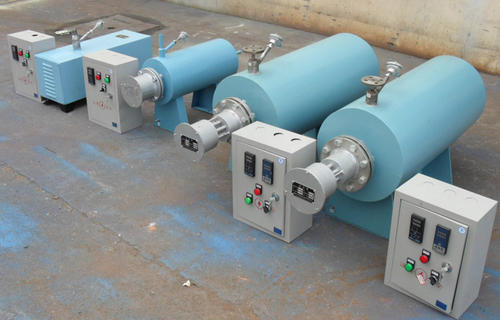
An air dry-type heating tube, as an electric heating element specifically designed to heat air without relying on a liquid medium, is an indispensable part of air heating systems. They play a key role in various industrial and commercial applications, including HVAC, ovens, drying equipment, and air heaters. This article will detail the working principle, characteristics, application scope, and maintenance suggestions of air dry-type heating tubes.
Working Principle and Construction
Air dry-type heating tubes typically use high-temperature resistant stainless steel seamless tubes as the outer shell, filled with high-temperature resistance wire and crystalline magnesium oxide powder with good thermal conductivity and insulation. When current passes through the resistance wire, it generates heat, which is efficiently conducted to the metal tube wall through the magnesium oxide powder, and then released into the surrounding air, achieving air heating. Compared with liquid heating tubes, air dry-type heating tubes need to be designed with a higher surface load to compensate for the poorer heat transfer performance of air.
Characteristics and Advantages
High-efficiency heat conversion: Air dry-type heating tubes have high thermal efficiency, quickly converting electrical energy into heat energy with fast heating speed.
Durability: Made of high-quality stainless steel, they have good corrosion resistance and oxidation resistance, suitable for long-term operation in high-temperature environments.
Adaptability: They can be customized in various shapes and sizes to suit different heating spaces and equipment requirements.
Safety: Built-in temperature control and protection mechanisms prevent overheating, ensuring safe use.
Application Scope
Air dry-type heating tubes are widely used in the following fields:
Industrial heating: Used in various industrial heating systems, such as ovens, drying furnaces, and fluidized air heaters.
Commercial and household appliances: As heating elements in fan heaters, electric heaters, and air conditioning systems.
Scientific research experiments: In constant temperature equipment, incubators, and other places requiring precise temperature control in laboratories.
Food processing: Baking equipment, food dryers, etc., for heating and drying food.
Maintenance and Precautions
Regular inspection: Check the connection parts of the heating tube for looseness or corrosion to ensure good contact.
Cleaning and maintenance: Regularly remove dust and impurities from the surface of the heating tube to avoid affecting heat transfer efficiency.
Avoid dry burning: Although named "dry-type", prolonged operation without air flow can still cause overheating and damage, so such situations should be avoided.
Temperature control: Ensure the heating tube operates within the recommended temperature range; excessive heating will shorten its service life.
Conclusion
Air dry-type heating tubes occupy a core position in air heating technology due to their high-efficiency heat conversion performance, durability, and wide application range. Through a deep understanding of the working principle and reasonable use and maintenance, their effectiveness can be maximized, providing reliable solutions for various air heating needs. With continuous technological advancement, future air dry-type heating tubes will be more efficient and intelligent, offering users a more precise and convenient heating experience.