Mold heating rods, as one of the indispensable components in the field of precision manufacturing, are widely used in various industrial production processes such as plastic molding, metal casting, and semiconductor processing. Their main function is to provide precise temperature control inside or on the surface of the mold, ensuring that materials have optimal fluidity and curing characteristics at specific temperatures, thereby producing high-quality products. This article will delve into the working principles, selection criteria, installation and maintenance of mold heating rods, as well as their application examples in different industries.
Working Principle
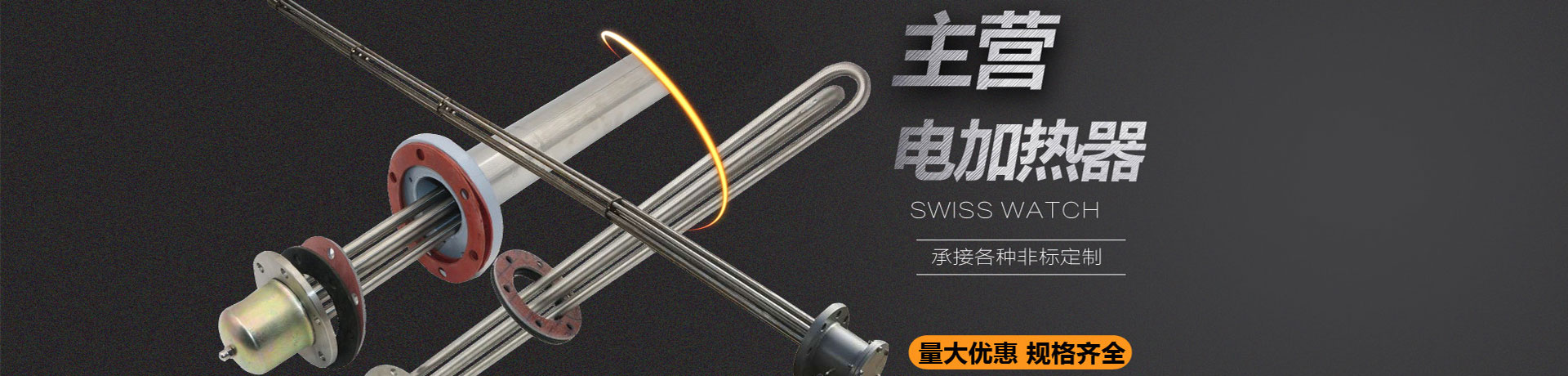
A mold heating rod is a tubular electric heating element, whose core is composed of high-resistance heating wire (such as nickel-chromium alloy), which is encapsulated in a metal tube filled with thermally conductive insulating material (such as magnesium oxide powder). When current passes through the heating wire, the resistance effect generates heat, which is uniformly transferred to the mold through the metal tube wall, thereby bringing the mold to the required heating temperature. Typically, mold heating rods are equipped with temperature sensors and controllers to precisely regulate and maintain the heating temperature.
Selection and Installation
When selecting mold heating rods, the following key factors should be considered:
Power density: Depends on the mold size and required heating speed.
Material: Should have good heat resistance, thermal conductivity, and corrosion resistance, such as stainless steel or special alloys.
Dimensions: The diameter and length of the heating rod must match the mounting holes on the mold, typically with a clearance of less than 0.1mm.
Installation position: Should be chosen where the contact area with the product is large and heating is uniform.
During installation, ensure tight contact between the heating rod and the mold surface to avoid air gaps that affect heat transfer efficiency. Additionally, the machining precision of the mounting holes is also crucial to ensure the coaxiality and tolerance of the heating rod meet requirements.
Application Examples
Plastic molding: In processes such as injection molding and blow molding, mold heating rods provide precise temperature control, ensuring the fluidity of the plastic melt, reducing internal stress, and improving dimensional accuracy and surface quality of the products.
Metal casting: Used to control mold temperature, ensuring good fluidity of molten metal, reducing the occurrence of porosity and shrinkage, and improving the density and mechanical properties of castings.
Semiconductor manufacturing: In wafer processing, mold heating rods are used to control temperature, ensuring that materials undergo chemical reactions or physical changes under specific conditions, such as chip packaging.
Maintenance and Precautions
Regular inspection: Ensure good contact between the heating rod and the mold, and check for any damage or signs of aging.
Temperature control: Use temperature controllers to monitor and adjust the working status of the heating rod, avoiding overheating or temperature fluctuations.
Cleaning and maintenance: Regularly clean residues on the surface of the heating rod to prevent affecting heat transfer efficiency.
Safe operation: Follow the manufacturer's operating guidelines to ensure proper use of the heating rod, avoiding electric shock and fire risks.
Conclusion
As a key tool for precise temperature control in industrial production, the importance of mold heating rods is self-evident. Through careful selection, proper installation, and regular maintenance, mold heating rods can ensure temperature stability during the manufacturing process, thereby enhancing product quality and production efficiency. With the continuous improvement of industrial automation, future mold heating rods will become more intelligent, integrating more sensing technologies and remote control functions to meet higher production standards.