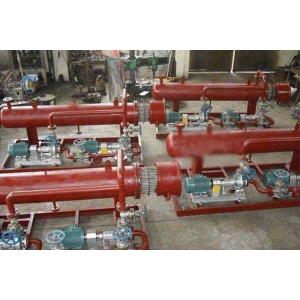
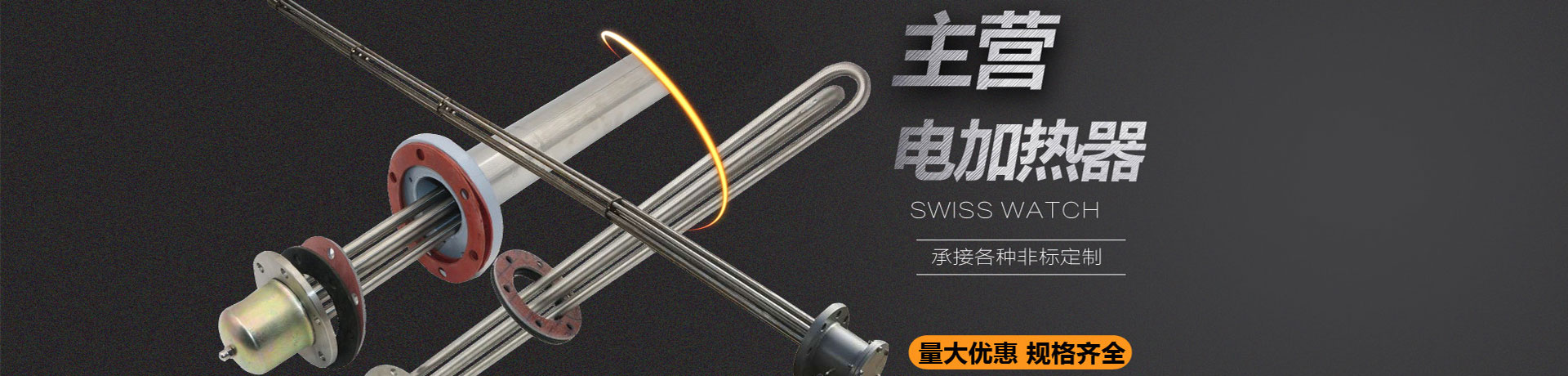
An industrial high-temperature heating rod is a tubular electric heater designed for heating solids, liquids, or gases, particularly suitable for applications requiring high-temperature heating. This type of heating rod is typically made of high-quality materials, capable of stable operation in harsh environments, and can quickly heat the medium to the desired temperature.
1. Overview of Industrial High-Temperature Heating Rod
An industrial high-temperature heating rod is a tubular electric heater used for heating solids, liquids, or gases, especially suitable for applications requiring high-temperature heating. This heating rod is usually made of high-quality materials, can work stably under harsh conditions, and can quickly heat the medium to the required temperature.
2. Working Principle
The working principle of the industrial high-temperature heating rod is as follows
Resistance wire heating: The resistance wire (such as nickel-chromium alloy wire) inside the heating rod generates heat when current passes through.
Heat transfer: The heat generated by the resistance wire is transferred to the metal tube wall through insulating material.
Heating the medium: The metal tube wall transfers heat to the medium, achieving the purpose of heating.
3. Technical Features
The main technical features of the industrial high-temperature heating rod include:
Efficient heating: Can quickly heat the medium to the required temperature.
High-temperature resistant materials: Made of high-temperature resistant materials such as stainless steel (e.g., 316L stainless steel), Incoloy, etc.
Durability: Made with high-quality materials and precision manufacturing processes, with a long service life.
Special designs: Customized designs based on specific application needs, such as U-shaped, W-shaped structures, to improve heating efficiency.
Overheat protection: Equipped with overheat protection devices to ensure safe use.
4. Application Fields
Due to its efficient and stable heating capability, the industrial high-temperature heating rod is widely used in multiple fields:
Chemical production: Used to heat media in reactors, evaporators, and other equipment.
Metallurgical industry: Used for high-temperature heating applications such as smelting furnaces and heat treatment furnaces.
Plastic processing: Used for heating in plastic molding machines, extruders, and other equipment.
Food processing: Used for heating in processes such as food drying and baking.
Laboratory equipment: Used for heating experiments in laboratories.
5. Usage Precautions
To ensure the normal operation and extend the service life of the industrial high-temperature heating rod, the following points should be noted:
Correct installation: Ensure the heating rod is firmly installed in the designated position to avoid loosening.
Medium quality: Keep the heating medium clean to avoid impurities blocking the heating rod.
Overheat protection: Install overheat protection devices to prevent damage caused by excessive temperature.
Regular inspection: Regularly check the insulation performance and electrical strength of the heating rod to ensure safety and reliability.
Avoid dry burning: Ensure the heating rod is completely immersed in the medium to avoid dry burning.
6. Maintenance and Care
Regular cleaning: Regularly remove scale around the heating rod to maintain good heat transfer performance.
Insulation testing: Regularly test the insulation performance of the heating rod to ensure safety and reliability.
Replace damaged parts: Once damage or performance degradation is found, replace the damaged parts promptly.
Storage conditions: When not in use, store in a dry and ventilated place to avoid moisture.
7. Conclusion
As an efficient and durable heating element, the industrial high-temperature heating rod plays an important role in industrial production and scientific research. Through reasonable design, careful manufacturing, and appropriate maintenance, the industrial high-temperature heating rod can ensure long-term stable operation and provide reliable support for various heating needs. With continuous technological advancement, future industrial high-temperature heating rods will be more efficient, energy-saving, and environmentally friendly.