
Introduction
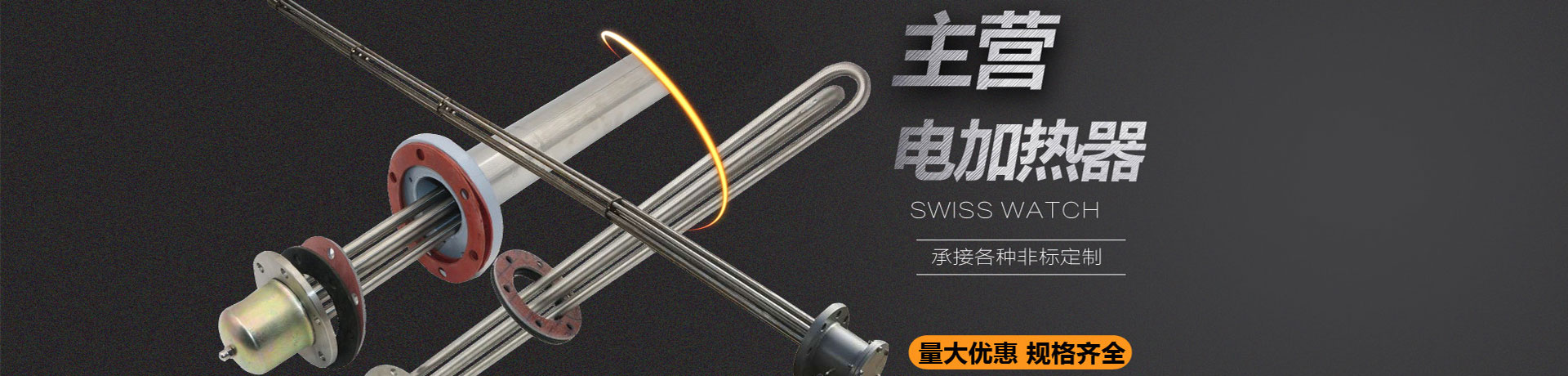
Tubular electric heaters (also known as sheathed electric heaters or rod-type electric heaters) are widely used heating devices that play an important role in many industries due to their compact structure, easy installation, and high efficiency and energy savings. This article will provide a detailed introduction to the working principle, structural characteristics, application fields, and advantages of tubular electric heaters.
I. Working Principle
The core of a tubular electric heater is a sealed metal sheath containing a resistance wire (heating element), surrounded by high-purity magnesium oxide powder as insulation material. When current passes through the resistance wire, according to Joule's law, electrical energy is converted into heat, which is conducted through the sheath to the medium being heated. This design ensures efficient energy transfer and can withstand high temperatures and pressures.
Sheath material: Typically made of stainless steel, copper, aluminum, or other corrosion-resistant alloys to suit different working conditions.
Resistance wire: Often made of nickel-chromium alloys and other materials with high resistivity and good oxidation resistance.
Insulation material: As mentioned earlier, high-purity magnesium oxide powder is commonly used, which not only provides good electrical insulation but also effectively conducts heat.
II. Structural Characteristics
Compact structure: The design of tubular electric heaters makes them small in size, facilitating installation in confined spaces.
Easy replacement: The modular design allows heating elements to be replaced or repaired without disassembling the entire system.
Multiple connection methods: Various installation options such as threaded connections and flange connections are available to meet the needs of different application scenarios.
Built-in temperature control: Many models are equipped with temperature control devices that can automatically adjust power output to maintain a set temperature range.
III. Main Types
Straight tubular electric heaters
Features: Straight-line design, suitable for direct insertion into liquids or embedding inside solid materials.
Applications: Oil tanks, water tanks, chemical reactors, etc.
U-shaped tubular electric heaters
Features: Bent into a U shape, increasing the surface area per unit length and improving heat exchange efficiency.
Applications: Boilers, air handling units, plastic processing machinery, etc.
Spiral tubular electric heaters
Features: The spiral structure increases turbulence effects and enhances heat transfer.
Applications: Food processing, pharmaceutical industries, and other situations requiring high temperature uniformity.
Fin-type tubular electric heaters
Features: The outer surface has fins, increasing the heat dissipation area, especially suitable for gas heating.
Applications: Warm air systems, dryers, etc.
IV. Application Fields
Industrial process heating: Such as heating of liquids, gases, or solid materials in petroleum refining, chemical reactions, plastic molding, and other industries.
Energy and power: Auxiliary heating in power plant boilers, lubrication oil heating for wind turbine gearboxes, etc.
Food and beverages: Heating of beverages, cooking, and maintaining appropriate temperatures during food preservation.
Building heating: Heating elements for underfloor heating systems and hot water supply systems.
Healthcare: Sterilization cabinets for medical devices, laboratory constant temperature incubators, etc.
V. Advantages of Tubular Electric Heaters
High efficiency and energy saving: Due to their compact design and efficient heat transfer characteristics, they can reach the required heating temperature in a short time, thereby saving energy.
Long lifespan: High-quality material selection and strict manufacturing processes ensure stability and durability in harsh environments.
Safe and reliable: Built-in overheat protection devices prevent damage or danger caused by unexpected situations.
Flexible customization: Power, dimensions, and other parameters can be adjusted according to customer needs to meet specific application requirements.
VI. Selection and Usage Precautions
When selecting a tubular electric heater, the following aspects need to be considered:
Working environment: Determine whether the heater is suitable for the target medium (such as liquid, gas, or solid) and whether it can withstand the expected pressure and temperature range.
Power requirements: Calculate the required heating power to ensure appropriate selection.
Installation method: Choose the correct connection method (such as threaded, flange, etc.) based on the actual installation location.
Maintenance: Regularly inspect the heater's condition, clean surface dirt, replace aging parts to extend service life and ensure optimal performance.
Conclusion
In summary, tubular electric heaters play an important role in many industries due to their excellent performance and wide applicability. With continuous technological advancements, we can expect to see more innovative designs and technical improvements in the future, further enhancing the safety, efficiency, and environmental friendliness of these heating solutions.
This article provides a comprehensive overview of tubular electric heaters, including their working principle, structural characteristics, main types, application fields, and advantages. We hope this provides useful information for your writing. If you have any specific needs or wish to delve deeper into a particular aspect, please feel free to let us know!