
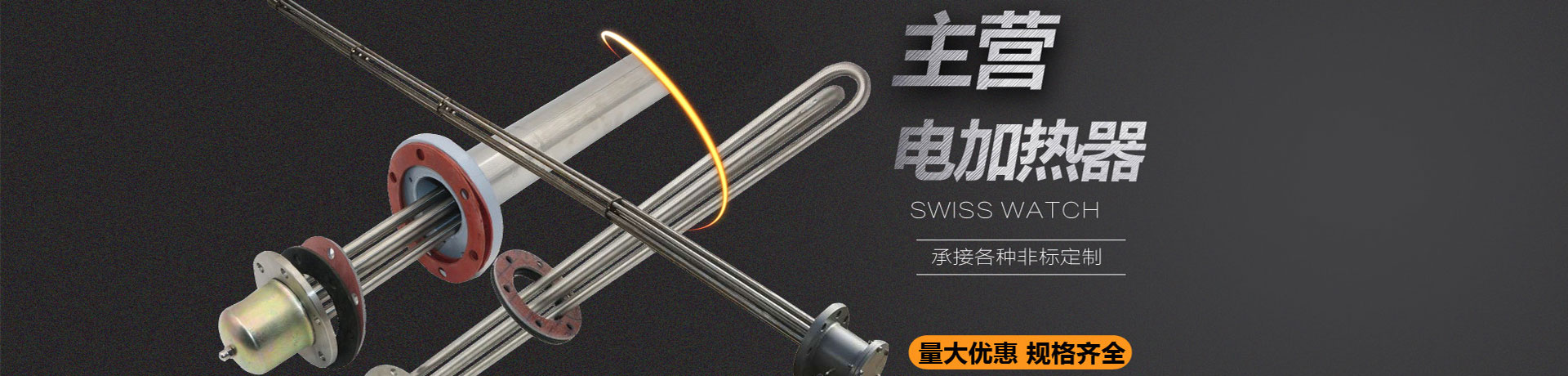
Tubular electric heaters are often referred to as electric heating tube heating rods or tubular elements
They are the most widely used type of resistance heating element in industrial and civil fields. They convert electrical energy into heat energy, featuring simple structure, high mechanical strength, high thermal efficiency, safety, reliability, and easy installation. Combined with the power testing equipment you previously inquired about, such as "DC resistance", "dielectric loss", and "test transformers", tubular electric heaters are typically the load end of these test objects, or key components for heat tracing and thermal insulation in power systems. The following is a detailed analysis of tubular electric heaters: 1. Core Structure and Working Principle Structural Composition: Metal sheath tube: usually made of stainless steel (304/316L), carbon steel, titanium, Inconel, or copper, serving to protect internal components and transfer heat. Resistance wire: located in the center, usually made of nickel-chromium alloy (Cr20Ni80) or iron-chromium-aluminum alloy, which is the core of heat generation. Insulating filler: magnesium oxide powder (MgO). This is a key material, filled between the resistance wire and the sheath tube, with excellent thermal conductivity and high-temperature insulation, which can both conduct heat to the tube wall and prevent short circuits between the resistance wire and the tube wall. Sealing material: silicone, epoxy resin, or ceramic, used to seal the tube ends to prevent moisture ingress that could reduce insulation. Terminal connections: lead out for power connection. Working Principle: When current passes through the central resistance wire, Joule heat is generated (