
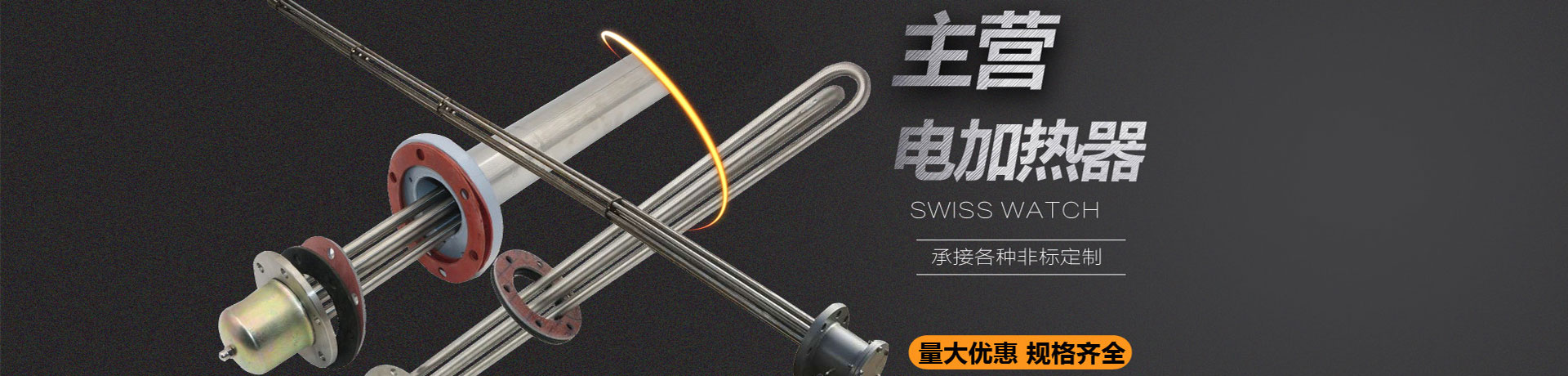
Sheath electric heaters are also commonly known as immersion electric heaters or tubular electric heaters
They are heating equipment widely used in industrial fields (especially in petroleum, chemical, and power industries). Based on search results, here is a summary of core information about sheath electric heaters: 1. Core structure and principle Components: Mainly composed of a heating core and a sheath tube. Heating core: Internally contains resistance heating wire (such as nickel-chromium alloy), encapsulated in a metal tube, filled with magnesium oxide powder for insulation and thermal conductivity. It is the heat source part. Sheath tube: Usually made of carbon steel or stainless steel, wrapping the outside of the heating core. Working principle: Utilizes electric current passing through the resistance wire to generate heat (Joule's law), the heat is conducted through the magnesium oxide powder to the metal sheath, and then transferred by the sheath to the heated medium (such as oil, water, gas). Design features: The heating core and the sheath tube are separated (or extractable), with a gap between them or connected via a flange. 2. Main advantages Maintenance without draining liquid (biggest highlight): This is the key difference between sheath type and ordinary immersion heaters. When the heating core is damaged and needs replacement, there is no need to drain the liquid in the container (such as oil in an oil tank). Simply pull out the old heating core and insert a new one. This greatly reduces maintenance costs and downtime. High safety: The sheath completely isolates the live heating element from the heated medium, preventing leakage current from contaminating the medium or causing accidents. Optional explosion-proof junction box (such as flameproof device cover) can achieve explosion-proof marks (such as