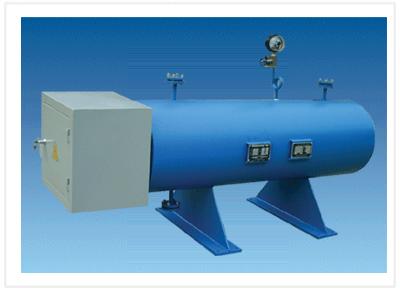

1.Understand the actual coking temperature of fuel oil (also known as heavy oil). Current tests on heavy oil at 250°C indicate that the coking temperature of heavy oil is roughly above 550°C. The design of surface load should take this parameter into account. A reasonable surface load design first requires understanding the relationship between the surface temperature of the heating element and the surface load. Surface load is the power density of the heating part of the direct heating element, measured in W/cm².
2.Sample the surface temperature of the heating element, interlock with the main control, and effectively control the surface temperature of the heating element to heat heavy oil within a reasonable temperature range.
3.Use microcomputer signal sampling to capture operating conditions. After microcomputer calculation, it can effectively suppress temperature overshoot caused by heavy oil stagnation during system operation.
4.Design a reasonable heat exchange area so that heavy oil can achieve a reasonable temperature rise throughout its entire entry into the heater.
5.Reduce dead corners in the fuel oil electric heater to prevent sedimentation of impurities in heavy oil.
6.Increase the flow rate of heavy oil inside the heater to prevent sedimentation of impurities in heavy oil.