
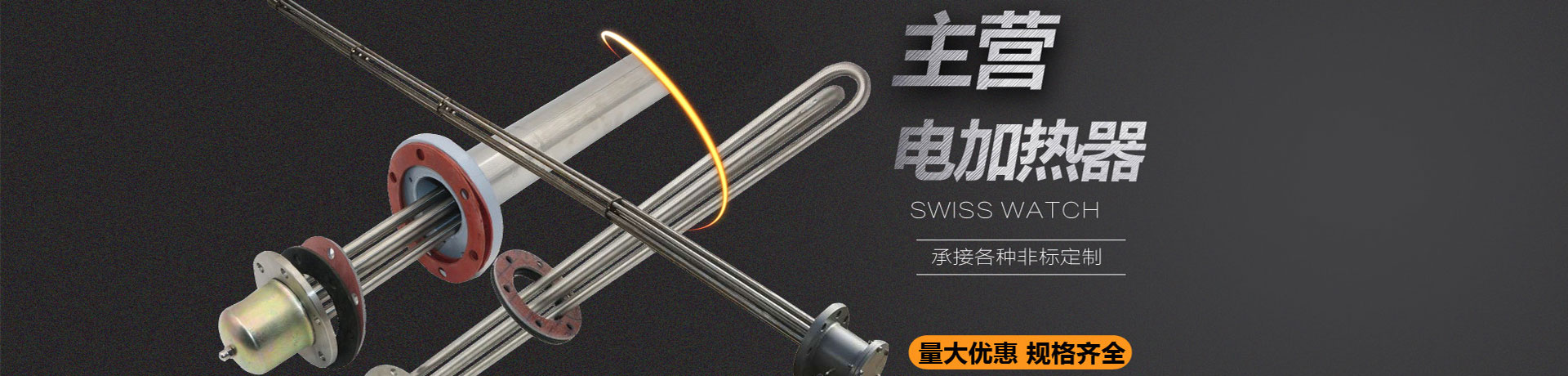
Electric heating furnaces convert electrical energy into thermal energy through resistance heating elements, and their operational reliability depends on the synergy of element condition, electrical connections, and temperature control loops. In on-site operation and maintenance, regularly measuring the cold resistance of heating elements can determine whether there is an open circuit or aging; when the resistance deviates from the nameplate parameter by a certain proportion, replacement should be considered.
Inspection of Heating Elements and Electrical Connections
After long-term operation at high temperatures, the thickening of the surface oxide layer on resistance heating elements leads to reduced heat conduction efficiency. Maintenance personnel should observe whether there are obvious bulges, cracks, or uneven local reddening on the element surface. Terminal connections are prone to loosening due to thermal cycling and need to be retightened periodically, and insulators should be checked for carbon deposits or damage to prevent creepage.
Calibration of Temperature Control and Over-Temperature Protection
Measurement deviation of thermocouples or thermal resistors directly affects temperature control accuracy. It is recommended to regularly compare with standard instruments, and the calibration cycle depends on operating conditions. The over-temperature protection loop should be independent of the main control loop, and a simulated action test should be conducted monthly to ensure reliable disconnection of the heating power supply at the set upper limit, avoiding damage to workpieces or refractory materials in the furnace due to loss of control.
Maintenance of Furnace Lining and Operating Environment
When cracks or spalling occur in the furnace refractory material, heat will conduct to the furnace shell, which not only increases energy consumption but may also affect surrounding equipment. Moisture in the insulation layer reduces its insulating effect. In humid seasons or when restarting after shutdown, furnace drying should be carried out according to procedures. The area around the equipment should be kept ventilated to avoid dust accumulation in the electrical cabinet.