
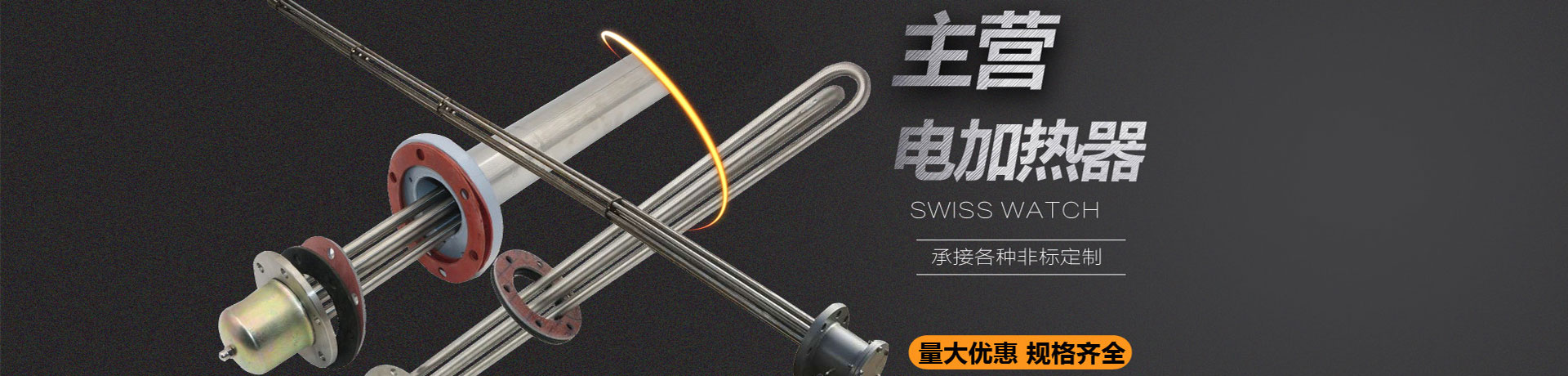
In industrial environments involving flammable and explosive materials, explosion-proof electric heaters, as critical heating equipment, are of paramount importance for their safety and reliability. To ensure that the equipment can operate safely in potentially explosive atmospheres, a series of strict standards and specifications have been established, guiding the design, manufacturing, testing, and use of explosion-proof electric heaters. This article will delve into the main standards that explosion-proof electric heaters must comply with, and how these standards ensure the equipment's explosion-proof performance and safety compliance.
Overview of Main Standards
The design and manufacturing of explosion-proof electric heaters must adhere to multiple national and industry standards, the most critical of which include:
GB3836 Series Standards
The GB3836 series is a set of standards formulated by China for electrical equipment used in explosive atmospheres. Among them, GB3836.1-2010 "Electrical Apparatus for Explosive Gas Atmospheres - Part 1: General Requirements" is the most fundamental and core standard, specifying the design, manufacturing, and usage requirements of the equipment to ensure its safety in explosive environments. Additionally, the GB3836 series includes detailed standards for different explosion-proof types, such as flameproof, increased safety, and intrinsic safety types.
Industry Standards and Technical Requirements
In addition to the GB3836 series standards, explosion-proof electric heaters must also comply with specific industry standards and technical requirements. For example, the JB/T2379-93 standard specifies requirements for the design, manufacturing, and acceptance of electric heating tubes, including material selection, dimensional specifications, and performance testing.
Protection Rating and Explosion-Proof Rating
Explosion-proof electric heaters typically need to achieve a certain protection rating (such as IP54) to ensure their protective capability in harsh environments. Meanwhile, the explosion-proof rating (such as dⅡBT4) specifies the particular explosive gas atmospheres in which the equipment can be safely used.
Explosion-Proof Performance Testing and Verification
To verify the explosion-proof performance of explosion-proof electric heaters, the equipment must pass a series of rigorous tests, including but not limited to:
Explosion-proof structure test: Confirms that the equipment's explosion-proof structure can withstand the pressure generated by an internal explosion, preventing the release of explosion energy.
Explosion-proof material test: Ensures that the selected materials will not produce additional sparks or combustion in explosive environments.
Explosion-proof circuit test: Verifies that the electrical circuit design can prevent the generation of electric sparks or overheating in explosive environments.
Usage Environment and Operating Condition Requirements
The operating conditions of explosion-proof electric heaters are also regulated by standards to ensure reliable operation under specified environmental conditions, for example:
The ambient temperature is typically limited to between -20°C and +40°C.
Altitude generally should not exceed 1000 meters.
The relative humidity of the surrounding air should not exceed 90% at an ambient temperature of +25°C.
Conclusion
Explosion-proof electric heaters standards are not only the foundation for ensuring the safe operation of equipment but also an important safeguard for industrial safety production. By adhering to the GB3836 series standards and other relevant industry standards, explosion-proof electric heaters can provide safe and reliable heating services in potentially explosive atmospheres. Manufacturers and users should strictly comply with these standards, conduct regular maintenance and inspections, and ensure that the equipment is always in optimal condition to protect personnel safety, reduce economic losses, and achieve smooth industrial production.