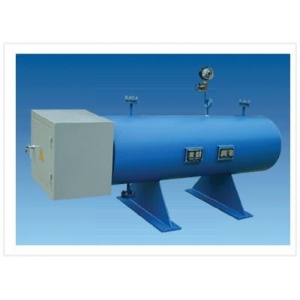
A radiant electric heating tube is a heating element that converts electrical energy into thermal energy and primarily transfers heat through radiation. They are widely used in industrial, commercial, and scientific research fields, especially in heating processes that require high efficiency and precise temperature control. The following is an in-depth discussion of radiant electric heating tubes:
Working Principle
The working principle of a radiant electric heating tube involves encapsulating the electric heating element within a protective sheath. When current passes through, it generates heat, which is then transferred to the target object through radiation. The heating element is typically made of high-temperature-resistant alloy materials (such as nickel-chromium alloy), while the protective sheath is made of heat-resistant stainless steel or other high-temperature-resistant materials to prevent direct contact between the heating element and the external environment, avoiding corrosion and short circuits.
Structural Features
The core structure of a radiant electric heating tube includes:
Heating Element: The component that generates heat, often a spiral resistance wire.
Insulation Material: Such as magnesium oxide powder, filled between the heating element and the protective sheath to ensure good thermal conductivity and electrical insulation.
Protective Sheath: Usually made of heat-resistant metal, serving as the radiating surface to emit heat outward.
Support Structure: Ensures the heating element does not deform at high temperatures.
Performance Advantages
High-Efficiency Heat Transfer: Radiant electric heating tubes transfer heat through radiation, which is more efficient than traditional convection heat transfer.
Temperature Control: They enable precise temperature control, suitable for heating processes requiring constant temperatures.
Service Life: High-quality materials and design give radiant electric heating tubes a long service life.
Wide Adaptability: Suitable for various heating media and environmental conditions, such as heating liquids, gases, and solids.
Application Fields
Radiant electric heating tubes play an important role in multiple industries:
Metal Processing: Used for metal annealing, heat treatment, and smelting.
Plastic Industry: Heating units in plastic molding machines.
Food Industry: Baking, drying, and cooking equipment.
Chemical Industry: Heating for chemical reactors.
Scientific Research: Heating experiments in laboratories.
Market Trends
With the development of industrial automation and intelligence, the demand for efficient, energy-saving, and environmentally friendly heating solutions is increasing. Radiant electric heating tubes are receiving more attention and application due to their high efficiency and precise temperature control capabilities.
Future Development
In the future, the research and development of radiant electric heating tubes will focus more on material innovation, improving energy efficiency, enhancing durability, and intelligent control to meet changing market demands and environmental protection requirements.
Purchase and Maintenance
When purchasing radiant electric heating tubes, factors such as heating requirements, working environment, and expected lifespan should be considered. Regular maintenance and inspection are crucial to ensure equipment performance and extend service life.
In summary, radiant electric heating tubes occupy an important position in the modern industrial heating field due to their unique heating method and efficient energy conversion capability. They are one of the key technologies for achieving precise temperature control and efficient heating.