
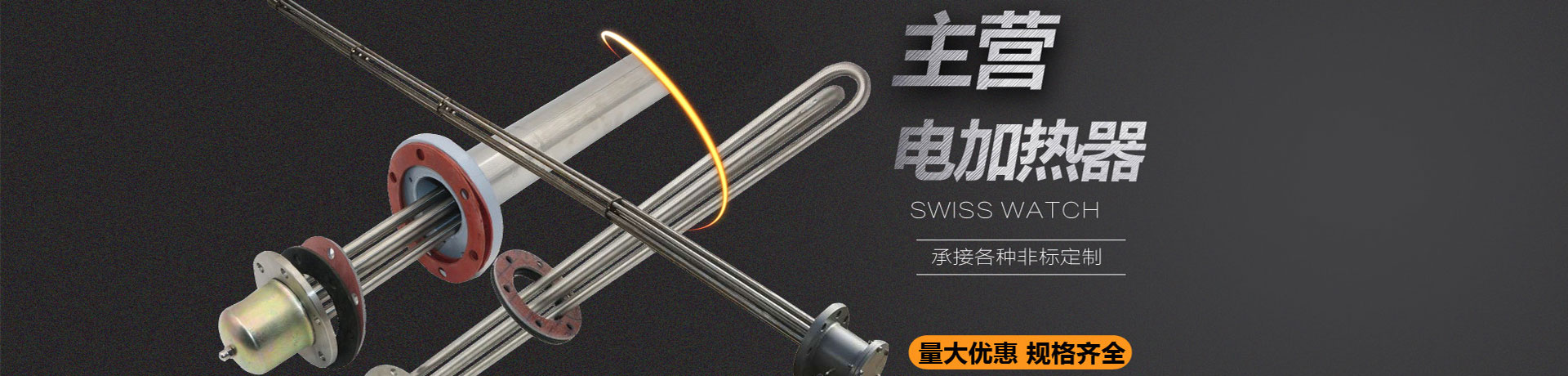
PTFE heating tube is a special electric heating device, mainly used in occasions requiring resistance to strong corrosive environments, especially performing well when heating various corrosive liquids. Below is an overview of an article about PTFE heating tubes, including its definition, characteristics, applications, and technical parameters.
Introduction to PTFE Heating Tube
PTFE heating tube, also known as polytetrafluoroethylene heating tube, is a new type of electric heater resistant to strong corrosion. It uses polytetrafluoroethylene (PTFE) as the outer material of the heating tube, which has excellent chemical stability and can resist the erosion of most chemicals, including strong acids, strong alkalis, and other corrosive substances. PTFE heating tubes are suitable for heating various corrosive liquids, such as acid, alkali, and salt solutions.
Technical Characteristics
Strong corrosion resistance: PTFE material can effectively prevent corrosion by the heated liquid during the heating process.
Good aging resistance: It can maintain good physical and chemical properties under long-term use.
Excellent flexibility: It can be bent to a certain extent without damage.
Low load design: The surface load generally does not exceed 1.5W/cm², which helps extend service life and reduce heat loss.
Fully sealed joints: The joint part adopts anti-corrosion design to avoid the intrusion of external substances.
Overheat protection: Overheat protection system can be customized according to customer needs to prevent failures caused by overheating.
Safe and reliable: It has good sealing, is not prone to leakage, and comes with grounding protection.
Application Range
PTFE heating tubes are widely used in liquid heating processes in fields such as chemical, pharmaceutical, and laboratory. They are especially suitable for occasions where corrosive liquids like strong acids and strong alkalis need to be heated.
Technical Parameters
Material: Polytetrafluoroethylene (PTFE)
Surface load: ≤1.5 W/cm²
Working temperature: up to 110°C
Joint type: fully sealed, anti-corrosion against acid and alkali
Safety features: non-corrosive, non-leaking, with grounding protection
Usage Precautions
Temperature limit: Ensure the working temperature does not exceed 110°C during use to avoid affecting service life.
Installation method: Install the heating tube correctly, avoid excessive bending or improper stress that may cause damage.
Maintenance: Regularly check the insulation performance and joint sealing of the heating tube to ensure the equipment is in good condition.
Conclusion
PTFE heating tubes stand out in corrosive environments due to their excellent corrosion resistance and safety, becoming an indispensable heating solution in many industrial fields. With the development of technology and changes in market demand, PTFE heating tubes will continue to improve and perfect to adapt to more complex application scenarios.
I hope this article can help you better understand the relevant knowledge of PTFE heating tubes. If you need more detailed information or have other questions, please feel free to let me know.