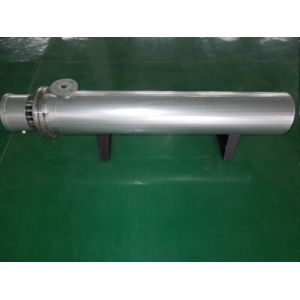
Correct Installation: Ensure the heater is correctly installed according to the manufacturer's instruction manual. Tubular electric heaters are typically fixed to the heating container or pipeline via flange connection or threading.
Secure Fixing: The heater should be firmly fixed to the heating container or pipeline to avoid damage caused by vibration or movement.
Electrical Connection: Electrical connections should be completed by professional electricians to ensure correct wiring and compliance with national and local safety standards. Ensure the power cord connection is correct and the voltage matches.
2. Environmental Conditions
Good Ventilation: The heater generates heat during operation, so ensure sufficient space around it for heat dissipation. Avoid installing the heater in enclosed or poorly ventilated areas.
Moisture and Waterproofing: Although heaters generally have some waterproof performance, when used in humid or water-source areas, attention should still be paid to waterproofing and moisture prevention to avoid electrical faults.
Avoid Corrosive Environments: If the heater is installed in an environment with corrosive gases or liquids, appropriate materials should be selected to prevent corrosion.
3. Operation and Use
Reasonable Temperature Setting: Set the heating temperature reasonably according to actual needs to avoid unnecessary energy consumption and equipment overheating. Use a temperature control system to automatically adjust the heater's working state, avoiding too high or too low temperatures.
Startup and Shutdown: When starting the heater, gradually increase the power to avoid instantaneous large current impact on the equipment. When shutting down, gradually reduce the power to prevent stress damage caused by sudden cooling of the equipment.
Prevent Dry Burning: Ensure the heater is fully immersed in liquid or gas to avoid dry burning that could damage the heating element. For liquid heating applications, ensure the heater is always below the liquid level.
4. Regular Maintenance
Cleaning and Maintenance: Regularly clean dust and impurities on the heater surface, especially around the heating element, to maintain good heat transfer performance.
Check Electrical Connections: Regularly check that electrical connections are tight to prevent poor contact due to loosening.
Check Sealing: Regularly check the sealing between the heater and the container or pipeline to prevent leakage.
5. Safety Protection
Use Personal Protective Equipment: When operating the heater, wear necessary personal protective equipment such as insulating gloves, goggles, etc.
Avoid Direct Contact: The surface temperature of the heater is very high during operation; avoid direct hand contact with the heater surface.
Emergency Power Off: In any abnormal situation, immediately cut off the power supply and notify professionals for inspection and repair.
6. Recording and Management
Record Data: Keep detailed records of each use, including heating temperature, working time, maintenance records, etc., for future reference.
Management System: Establish a sound management system, regularly inspect and maintain the heater to ensure its long-term stable operation.
Other Precautions
Environmental Adaptability: Select the appropriate model and specification based on the heater's working environment to ensure it can operate normally under specific temperature and humidity conditions.
Technical Support: In case of technical problems, promptly contact the manufacturer or professional technical personnel for help and support.
Spare Parts: Stock an appropriate amount of spare parts for quick replacement when needed to reduce downtime.
Regular Calibration: Regularly calibrate the heater's performance to ensure its heating efficiency and safety performance.
Special Applications
For some special application occasions, special attention should also be paid to the following points:
Explosion-proof Requirements: When using heaters in flammable and explosive environments, select products that meet explosion-proof requirements and ensure installation and operation comply with explosion-proof regulations.
High-pressure Applications: When using heaters in high-pressure environments, ensure the heater's pressure resistance meets requirements and take necessary safety measures.
Special Materials: For some special media (such as strong acids, strong bases, etc.), choose heaters made of corrosion-resistant materials to extend service life.
In summary, the tubular electric heater WZ type requires attention to installation, operation, maintenance, and safety management during use to ensure its long-term stable and efficient operation and extend the equipment's service life. By following the above precautions, the heater's function can be maximized, and the safety of operators can be ensured.