
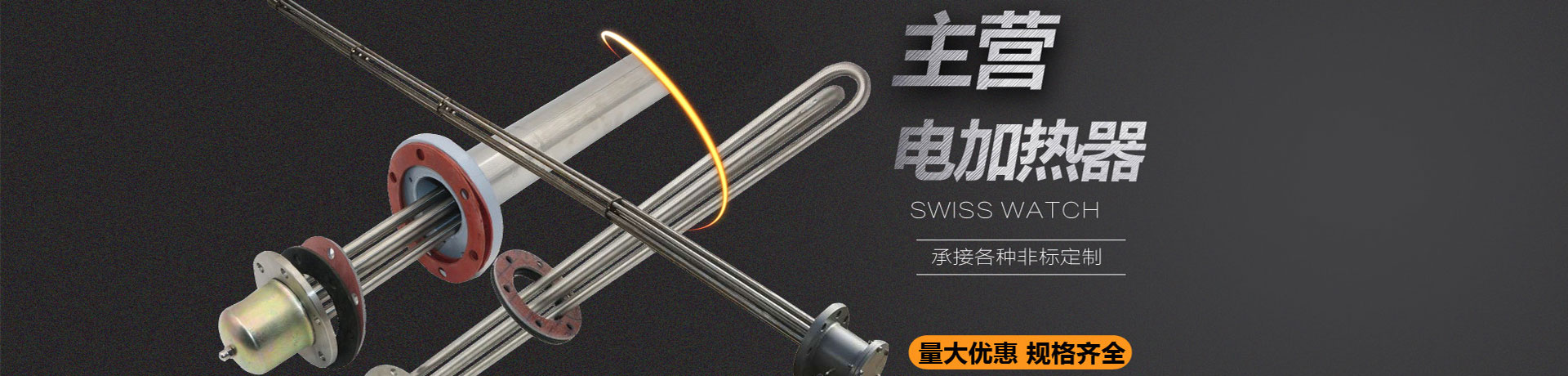
The internal structure of a tubular electric heater is classic, just like an "electric heating sandwich":
In fact, the tubular electric heater is the formal scientific name (also commonly known as electric heating tube or heating tube) in industry and national standards for the "sheathed electric heater" we just discussed.
If "sheathed electric heater" is its "colloquial name," then "tubular electric heater" represents its standardized definition in industrial manufacturing and national standards (such as GB/T 23150-2024 "Tubular heaters for water heaters"). It is not only a "warming artifact" for electrical equipment but also a "universal heating element" spanning home appliances, industry, chemical engineering, and other fields.
Below is a detailed analysis of this basic yet extremely core industrial component:
⚙️ Core Structure and Working Principle
The internal structure of a tubular electric heater is classic, just like an "electric heating sandwich":
Heating core: Inside is a high-resistivity alloy resistance wire (such as nickel-chromium alloy), which generates Joule heat when energized.
Insulating and thermally conductive layer: In the gap between the resistance wire and the outer shell, high-purity crystalline magnesium oxide powder (MgO) is tightly filled. This material is both an excellent insulator and efficiently conducts heat to the outer shell.
Metal sheath: The outermost layer is a metal tube (commonly stainless steel, copper, titanium alloy, or low-carbon steel), responsible for protecting the internal structure and uniformly transferring heat to the heated medium.
This dense structure gives it notable characteristics of long lifespan, high mechanical strength, high thermal efficiency, and safety against electric leakage.