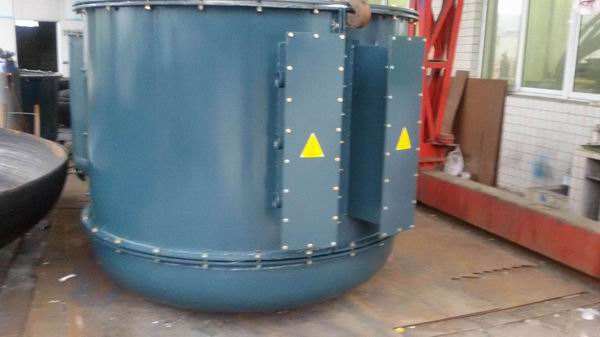
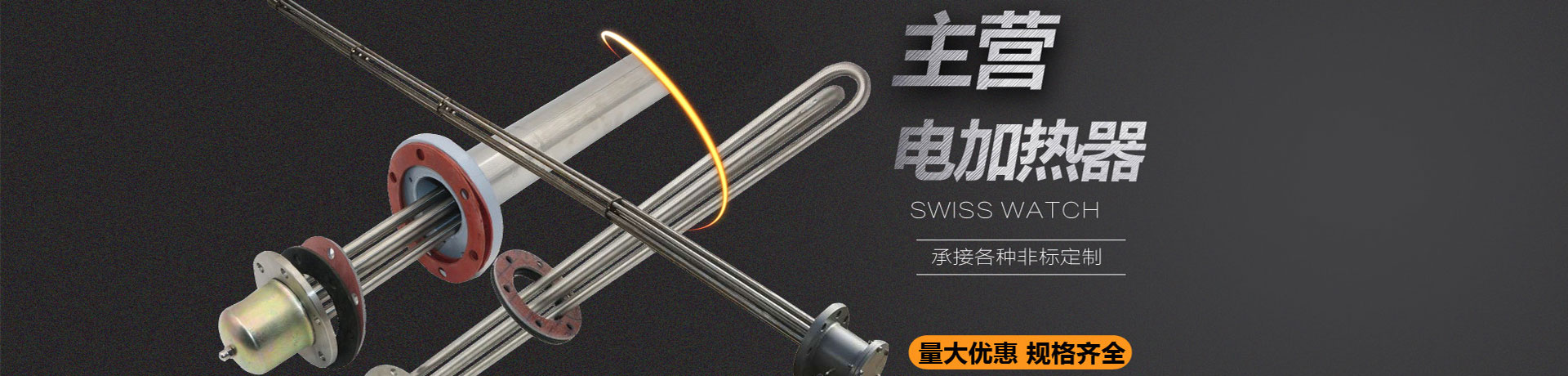
The reactor is key equipment in latex production. Due to long-term accumulation, it is difficult to remove the rubber deposits on the inner wall, stirring rods, and accessories using high-pressure water guns, which seriously affects heat exchange and production. Using a reactor electric heater to heat the entire reactor can modify and remove the adhered rubber. Below we will introduce in detail:
During latex production, due to the lack of timely measures, the rubber deposits on the inner wall and accessories of the reactor become thicker and more adhesive. High-pressure water jet cleaning was attempted, with the water gun pressure reaching 40MPa, but the effect was poor, time-consuming, and labor-intensive, making it difficult to effectively remove. As for excellent chemical cleaning methods, they could not be adopted due to the failure to find an effective cleaning agent to dissolve the rubber deposits. After analysis, we selected the electric heating method to heat the entire interior of the reactor, achieving the purpose of modifying the rubber deposits to remove the adhered materials. An on-site implementation of this method for removing adhered materials is introduced below.
During on-site implementation, all connections of the reactor must be disconnected and isolated with asbestos gaskets. The electric heating components are fixed inside the reactor using brackets, and the heating components are insulated from the container with insulating ceramic tubes.The reactor electric heater heats the entire reactor after nitrogen purging, with the temperature controlled at 250-300, and maintained at a constant temperature for 3-5 hours, heating the adhered materials to the point of carbonization. After cooling, the carbonized materials are flushed with a high-pressure water gun, supplemented by manual removal. During this process, an umbrella cap is added above the combined electric heater to prevent oil droplets from falling onto the heating elements, which could cause local combustion, ensuring safe construction. The system adopts programmed temperature increase, gradually heating, introducing a small amount of nitrogen from the bottom of the reactor to dilute the smoke concentration inside, and adding an exhaust fan to promptly remove the smoke from the reactor.
The electric heating method can effectively remove adhered materials from the reactor. The operating temperature is controlled at 25-300, and the adhered materials can be treated once they melt or carbonize. An appropriate temperature avoids large amounts of smoke and also reduces the impact of carburization on the inner wall of the stainless steel reactor on future production. The oil droplets precipitated during heating treatment will burn in the presence of an open flame, posing a safety hazard. During on-site implementation, an umbrella cap is added above the combined electric heater to prevent local combustion of oil droplets. During construction, the system adopts programmed temperature increase, gradually heating, and adds an exhaust fan to promptly remove the smoke from the reactor. After cooling, the carbonized materials are flushed with a high-pressure water gun, supplemented by manual removal.