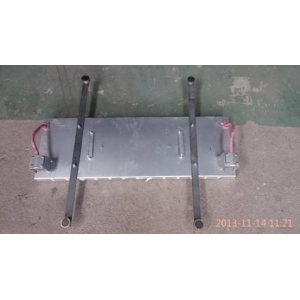

Electric heating plate, as a heating device widely used in industry, laboratories, and daily life, has become an important part of the heating field due to its high efficiency, convenience, and precise control. This article will delve into the working principle, classification, application fields, technical characteristics, and safety usage guidelines of electric heating plates.
Working Principle
The basic working principle of an electric heating plate is the process of converting electrical energy into thermal energy. When current passes through the resistance material inside the heating plate (such as nickel-chromium alloy wire, carbon fiber, or ceramic heating elements), due to the resistance effect, electrical energy is converted into thermal energy, causing the surface temperature of the heating plate to rise, thereby transferring heat to objects or the environment in contact with it.
Classification
Electric heating plates can be classified into the following categories based on different standards such as heating method, material, and usage:
Direct contact type: such as flat plate heaters, where items are directly placed on the heating plate for heating.
Infrared radiation type: heats by emitting infrared rays, suitable for long-distance non-contact heating.
Ceramic heating plate: uses ceramic heating elements, featuring fast heating, high thermal efficiency, and long lifespan.
PTC heating plate: uses positive temperature coefficient ceramic heating elements, offering automatic temperature control and good safety performance.
Application Fields
The application range of electric heating plates is very broad, covering the following main areas:
Industrial production: such as plastic molding, rubber vulcanization, paint curing, food processing, etc.
Laboratory research: as a heating source for experiments, used for sample heating, chemical reactions, incubators, etc.
Home life: applied in household appliances such as electric kettles, electric irons, and electric blankets.
Agricultural field: provides a warm environment in greenhouse seedling cultivation and animal husbandry insulation.
Technical Characteristics
High efficiency and energy saving: directly converts electrical energy into thermal energy with high thermal efficiency.
Temperature controllable: equipped with a temperature controller for precise adjustment of heating temperature.
Safe and reliable: most designs include overheat protection, anti-dry burning, and other functions to ensure safe use.
Good durability: made of high-temperature resistant, oxidation-resistant materials, with a long service life.
Safety Usage Guidelines
Power supply check: before use, confirm that the voltage matches the rated voltage of the heating plate and that the socket is well grounded.
Avoid moisture: ensure the usage environment is dry, and avoid water or other liquids coming into contact with the heating plate.
Regular inspection: regularly check the heating plate and its wiring to ensure no damage or wear.
Correct operation: follow the product instruction manual, do not cover the heating plate, and avoid overload use.
Heat dissipation space: ensure sufficient ventilation around the heating plate during use to avoid heat accumulation.
Electric heating plate, with its diverse forms and wide range of applications, continuously drives the development of heating technology, meeting the needs of different industries and life scenarios. Correct selection and safe use of electric heating plates can not only improve work efficiency but also ensure safety during use.