Sheathed Electric Heater
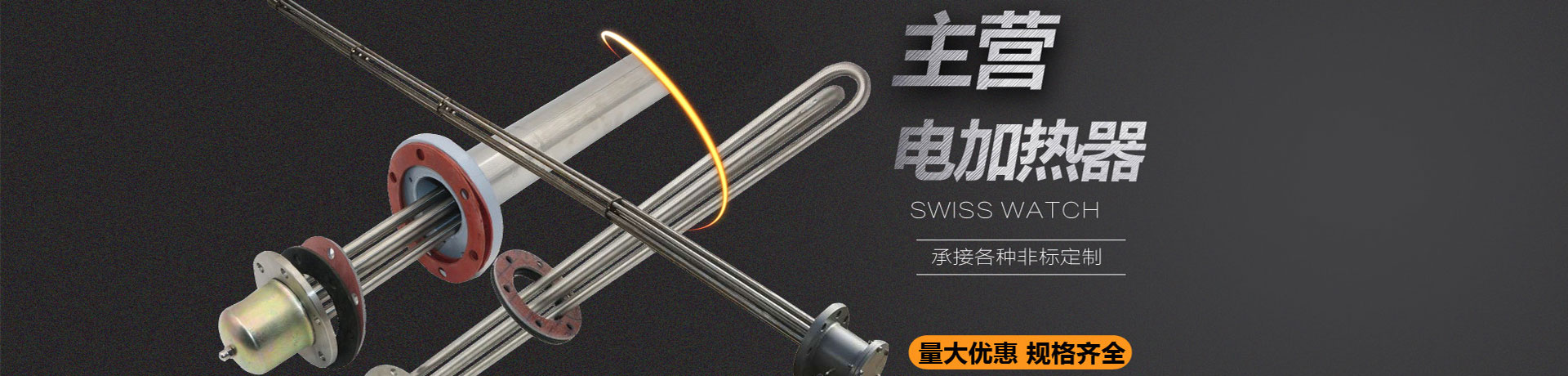
A sheathed electric heater (also known as armored electric heater) is a heating element widely used in industrial fields. Here is a systematic introduction:
Core Structure
The sheathed electric heater consists of three layers from inside to outside:
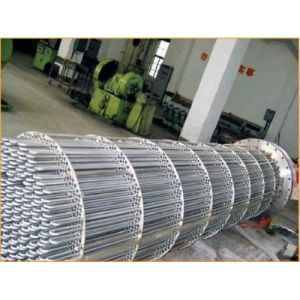
Heating core: The center is a high-temperature resistant alloy heating wire, with high-purity magnesium oxide powder (or ceramic) as the insulating and thermally conductive medium. Some models use multiple electric heating tubes to form a heating body, reducing surface load and improving heating stability.
Sheath tube: Made of cold-drawn seamless steel pipe or stainless steel (304/316L, etc.). Some models have a sheath tube diameter of 108mm and wall thickness of 4mm, providing a large heat dissipation area and fast heat transfer, while isolating the heating core from the heated medium to prevent medium carbonization.
Wiring device: Divided into ordinary type (iron shell) and explosion-proof type (bolted flameproof sealed shell). The explosion-proof type can meet the explosion-proof mark dⅡCT4 and protection level IP65.
Main Features
Easy maintenance: The heater is connected to the oil tank/container via flanges. During maintenance, there is no need to drain the oil; simply extract the heating core for replacement.
Efficient heat transfer: The sheath has a large heat dissipation area and high thermal efficiency, effectively preventing medium carbonization due to local high temperatures.
Safe and reliable: Complete insulation protection, special types have explosion-proof functions, and the shell can be effectively grounded.
Strong adaptability: Compatible with 220V/380V multiple power supply specifications, with good versatility.
Common Model Series
Table
Download as Table
Export as Image
Series Typical Models Main Applications
HRY Series HRY1~HRY9 Heating of hydraulic oil, lubricating oil, and heat transfer oil
SRY6 Series SRY6-1~SRY6-9 Corresponding to HRY series, universally interchangeable
MI Heating Cable Single conductor/Double conductor High-temperature pipeline heat tracing, container heating
Key Technical Parameters
Rated voltage: Single-phase 220V / Three-phase 380V
Surface heating power: Type 4/5 ≤1.8W/cm², Type 6/7 ≤0.7W/cm²
Heat transfer temperature: ≤300℃
Working medium: Mineral oil (non-corrosive)
Working pressure: ≤0.8MPa
Installation aperture: ≥φ114mm
Selection Key Points
When selecting, the following aspects need special attention:
Heating medium: For water, choose 304 stainless steel sheath (power density 5~10W/cm²); for oil, choose 304/316L (power density 1~3W/cm²); for corrosive media, special materials such as 316L or titanium tubes are required.
Power calculation: Based on the medium mass, specific heat capacity, target temperature rise, and heating time, follow the principle of "sufficient but not redundant".
Installation method: Threaded type is commonly used for hydraulic oil tanks, while flange type is preferred for reactors/large storage tanks.
Voltage matching: 220V and 380V are common in industrial scenarios. When multiple groups are connected in parallel, pay attention to three-phase load balance.
Usage Precautions
The effective heating zone must be fully immersed in the liquid; dry burning is strictly prohibited.
If scale or carbon deposits are found on the tube surface, remove them promptly to avoid affecting heat dissipation and shortening service life.
When heating solid oils such as asphalt or paraffin, first reduce the voltage, and after melting, raise it to the rated voltage.
If the insulation resistance is below 1MΩ after long-term storage, it can be dried in an oven at 200℃ or restored by low-voltage power-on.
The wiring part should be placed outside the insulation layer to avoid contact with corrosive, explosive media and moisture