Sheathed Electric Heater
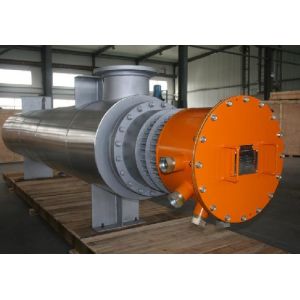
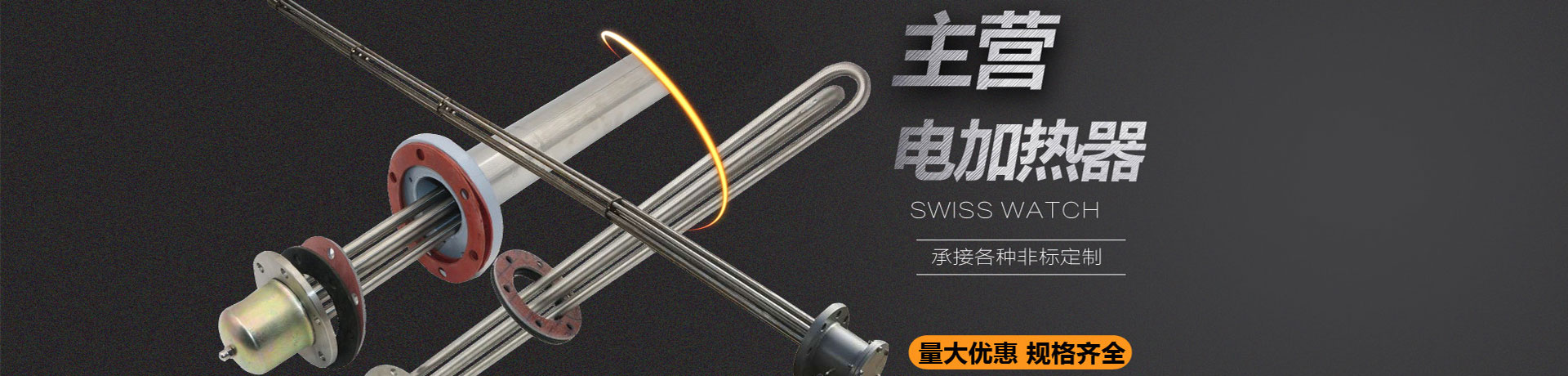
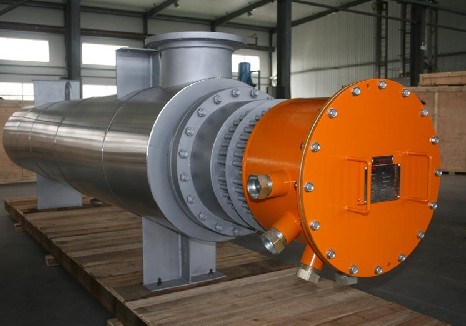
Sheathed electric heater (also known as armored heater, sheathed tubular electric heater) is a structured electric heating element that completely encloses the resistance heating wire in a metal sheath, widely used in industrial heating fields.
Core Structure
Adopts the classic "core wire – insulation – sheath" three-layer coaxial structure:
Heating core wire: high-temperature resistance wires such as nickel-chromium alloy (NiCr), iron-chromium-aluminum alloy (FeCrAl), etc.
Insulating and thermally conductive layer: high-purity magnesium oxide (MgO) powder, providing both insulation and thermal conductivity
Metal sheath: 304/316L stainless steel, Incoloy alloy, titanium alloy, etc., isolating external media
Current generates Joule heat through the core wire, and the heat is radially conducted through the insulation layer to the outer wall of the sheath, then transferred to the heated object.
Main Technical Parameters
Table
Download as Table
Export as Image
Parameter Typical Range
Operating Temperature 300°C ~ 2000°C+ (depending on material)
Power Range 1kW ~ 6000kW
Electro-thermal Conversion Efficiency ≥98%
Surface Power Density 0.7 ~ 10 W/cm² (varies by medium)
Operating Voltage 220V / 380V
Pressure Resistance 1.0 ~ 8MPa (custom high pressure up to 20MPa)
Service Life 10,000 ~ 50,000 hours
Explosion-proof Rating Up to Ex db IIC T1-T6 Gb
Main Application Areas
Petrochemical: reactor jacket heating, heavy oil/lubricating oil preheating, pipeline heat tracing and anti-freezing
Hydraulic lubrication systems: hydraulic oil, lubricating oil heating (common in HRY/SRY series)
Semiconductor manufacturing: vacuum CVD/PVD reaction chambers, lithography machine heating plates
New energy: lithium battery material sintering furnaces, hydrogen energy electrolyzer preheating
Wind power equipment: gearbox lubricating oil heating
Food and pharmaceutical: autoclaves, tunnel drying, aseptic packaging heat sealing
Key Selection Points
Clarify the heating medium: water/oil/corrosive liquid/air, directly determining the sheath material and power density
Match power density: oil media need to be controlled at 1~3 W/cm², air heating requires fin structure (1~2 W/cm²), water can take 5~10 W/cm²
Calculate power and voltage: based on medium mass, specific heat capacity, target temperature rise, and heating time
Confirm installation method: threaded connection (hydraulic oil tank), flange connection (large storage tank), straight tube/U-shaped/W-shaped structures, etc.
Usage Precautions
The effective heating zone must be fully immersed in liquid or metal solid, and dry burning is strictly prohibited
Operating voltage should not exceed 1.1 times the rated value, and the shell must be effectively grounded
If scale or carbon deposits are found on the tube surface, remove them promptly
Store in a dry place; if insulation resistance is below 1MΩ, dry in an oven at 200°C to restore
For explosion-proof occasions, flameproof products (such as BGY series) must be selected, with protection level up to IP65