After prolonged shutdown or storage in a high-humidity environment, the insulation resistance of the SRY6-2 sheathed electric heater may fall below the standard value. In this case, it should not be energized directly. The heating element can be placed in an oven at about 200°C for several hours to dry, or heated at reduced voltage until the insulation performance recovers. For heating fusible metals or solid media (such as asphalt and paraffin), the voltage must first be reduced to melt the medium, then raised to the rated voltage for operation, so as to avoid local overheating of the heating element.
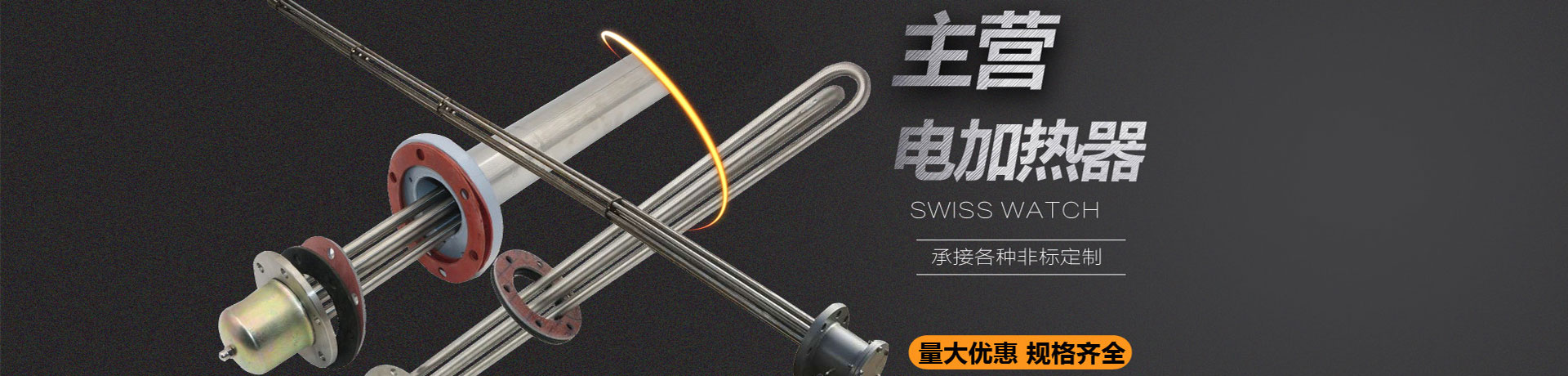
A sheathed electric heater mainly consists of two parts: the heating element and the sheath. The heating element is placed inside the metal sheath, with insulating material filled in between. During operation, heat is transferred to the heated medium through the sheath surface. When the medium passes through the heating chamber under pressure, the thermodynamic principles of the fluid cause the heat to be carried away evenly, which helps the heated medium reach the required process temperature. During model selection, the medium flow rate, specific heat capacity, and heat exchange area must be checked to avoid excessive sheath surface temperature caused by low flow rate.
It is recommended that design and selection personnel pay attention to the temperature rise of the terminal block and the scaling on the sheath surface, and regularly measure the insulation resistance and record the trend. If the medium contains many impurities, a filter device should be installed before the heater to reduce deposition on the sheath surface. According to the medium characteristics and process temperature requirements, reasonably selecting the sheath material and surface load can extend the service life of the electric heater.