
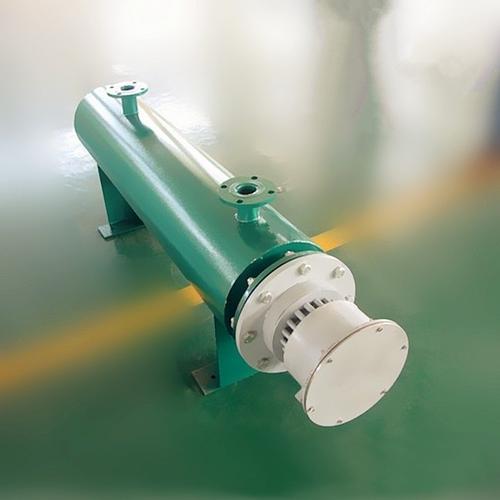
Explosion-proof Electric Heater
An explosion-proof electric heater is a special electric heating device designed for hazardous environments containing explosive gases, vapors, or combustible dust. It efficiently and safely converts electrical energy into thermal energy to heat, maintain temperature, or raise the temperature of liquid, gaseous, or solid media. It is an indispensable key equipment in high-risk industries such as chemical, petroleum, natural gas, military, mining, and offshore platforms.
The "explosion-proof" nature of an explosion-proof electric heater does not mean that the equipment itself will not explode, but rather that its structural design can prevent potential sparks, arcs, or high-temperature surfaces generated inside the equipment from igniting the external explosive environment. This is mainly achieved through the following two technical routes:
Flameproof Type (Ex d): This is the most common form of explosion-proof. Its core is a high-strength "flameproof enclosure" that can withstand the pressure generated by the explosion of an internal explosive mixture without damage. At the same time, the gaps between the mating surfaces of the enclosure components are precisely calculated and controlled to ensure that flames generated by internal explosions are sufficiently cooled when passing through the gaps, reducing the temperature below the ignition temperature of the external explosive mixture, thereby preventing external explosions.
Increased Safety Type (Ex e): Under normal operating conditions, by improving the safety margin of the equipment, such as using higher-grade insulation materials, optimizing terminal structures, and strengthening sealing measures, the generation of sparks, arcs, or dangerous high temperatures is minimized.
Main Types and Applications
According to heating methods and application scenarios, explosion-proof electric heaters are mainly divided into the following categories:
Table
Download as Table
Export as Image
Type Working Principle/Features Typical Application Scenarios
Immersion/Flange Type The heating tube is directly inserted into the liquid medium (such as oil, water) and fixed to the container wall via a flange. Liquid heating in storage tanks, reactors, water tanks, and oil tanks.
Circulation/Inline Type The medium flows through specific channels inside the heater under pressure and is continuously heated before being output. Inline heating of process fluids, such as thermal oil systems, steam superheating, and gas heating.
Explosion-proof Space Heater Used for small spaces like enclosed electrical control cabinets and instrument boxes to prevent condensation, freezing, or maintain equipment operating temperature. Electrical control cabinets in areas with explosion hazards and underground mines.
Key Safety Features
To ensure absolute safety in hazardous environments, explosion-proof electric heaters are typically equipped with multiple safety protection systems:
Independent Overheat Protection: When the temperature of the heating element or medium exceeds the safety limit, an independent thermostat or thermocouple immediately cuts off the heating power to prevent material coking, carbonization, or equipment burnout.
Low Level/Flow Interlock: For immersion or circulation heaters, when low liquid level or insufficient flow is detected, heating is automatically stopped to prevent dry burning.
Intelligent Temperature Control System: Real-time monitoring of outlet temperature through temperature sensors (such as thermocouples, RTDs), and the control system (such as PID regulation) automatically adjusts heating power to achieve high-precision temperature control (up to ±0.2°C), and can be connected to a DCS system for remote monitoring.
High Protection Rating: The enclosure typically has an IP65 or IP66 protection rating, effectively preventing dust and water ingress, suitable for harsh industrial environments. Selection and Compliance Points
When selecting an explosion-proof electric heater, it is essential to strictly follow national and industry standards to ensure the equipment matches the hazardous area on site:
Confirm Explosion-proof Rating: It is necessary to clarify the area classification (such as Zone 1, Zone 2, Zone 21, Zone 22) and gas/dust group (such as IIA, IIB, IIC, T1-T4 temperature classes). The explosion-proof marking on the equipment nameplate (e.g., Ex d IIB T4 Gb) must cover the site requirements.
Verify Explosion-proof Certificate: The product must hold a valid explosion-proof certificate issued by a national authorized body and comply with the GB 3836 series standards for electrical equipment for explosive atmospheres.
Match Process Parameters: Precise selection should be based on the properties of the heating medium (corrosiveness, viscosity, flash point, etc.), process requirements for temperature, pressure, flow rate, and required heating power.
Pay Attention to Materials and Structure: The heating tube and flange materials must be corrosion-resistant (such as 304/316L stainless steel), the flameproof enclosure must have sufficient mechanical strength, and seals must be resistant to the medium and temperature.
Market and Manufacturer Selection
Currently, the Chinese explosion-proof electric heater market is moving towards intelligence, high energy efficiency, and stricter safety standards. When selecting a supplier, it is recommended to focus on:
Qualification and Certification: Whether they have complete explosion-proof certificates, ISO9001 quality system certification, etc.
Technical Strength: Whether they have independent R&D capabilities, comprehensive testing methods (such as high-voltage testing, insulation testing), and extensive industry application experience.
Customization and Service: Whether they can provide non-standard customized solutions for special working conditions, and whether they offer full-process services from selection, installation guidance to after-sales maintenance.