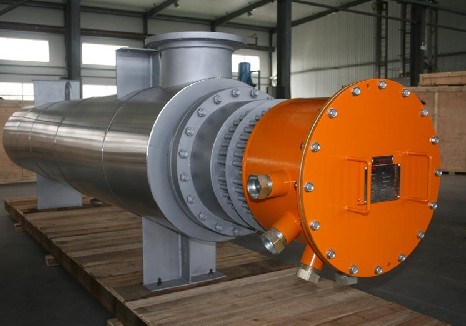
Explosion-proof electric heaters
Explosion-proof electric heaters are essentially still electric heaters, but compared with ordinary tubular heaters, they have several hard requirements: explosion-proof type, temperature class, ingress protection rating, and explosion-proof certificate. When selecting a model, you cannot just provide power and voltage; you must first clearly describe the on-site explosion-proof conditions.
How to choose explosion-proof electric heaters
Explosion-proof area Zone 1, Zone 2, or dust Zone 21/22 Zone 0 generally cannot use conventional flameproof heating equipment
Explosion-proof type Ex d flameproof type is commonly used in gas environments; dust explosion-proof type is selected for dust environments Must match the area
Gas group IIB or IIC For highly hazardous media such as hydrogen and acetylene, IIC should be selected
Temperature class T1–T6 The maximum surface temperature of the equipment must be lower than the ignition temperature of the medium; common T4 ≤ 135°C
Ingress protection rating Indoors generally IP54; outdoors/humid/dusty conditions recommend IP65 and above Sealing of the junction box is critical
Material 304, 316L, 310S, titanium tube, etc. Material should be upgraded for corrosive media and high-temperature air
Surface load For dry air heating, usually 1.0–2.5 W/cm²; lower for oil Excessively high load easily causes overtemperature, carbon buildup, and tube burnout
Control and protection PID temperature control, overtemperature protection, phase-loss protection, interlocking For important working conditions, connection to PLC/DCS is recommended
Qualifications Explosion-proof certificate, CCC, test report The certificate number and scope of application must be verifiable
Common types
Explosion-proof pipeline heaters: used for inline heating of media such as nitrogen, air, thermal oil, and water.
Explosion-proof immersion heaters: flange or threaded installation, suitable for oil tanks, reactors, and thermal oil systems.
Explosion-proof air heaters/duct heaters: used for drying, hot air circulation, and explosion-proof drying rooms.
Explosion-proof mold temperature controllers/temperature control units: equipped with pumps, valves, and temperature control systems, suitable for reactors and jacket heating.
Explosion-proof electric heat tracing systems: used for insulation and heat tracing of pipelines, valves, and storage tanks.
Local manufacturers worth focusing on
Based on the industrial electric heating equipment selection you previously paid attention to, there are many electric heating and explosion-proof electric heating enterprises in Jiangsu, especially in Baoying, Yangzhou and Yangzhong, which can serve as preliminary screening targets:
Involved in explosion-proof electric heating systems and electric heat tracing systems.
Long-term manufacturer of explosion-proof electric heating products for petroleum, chemical, and natural gas industries.
Produces explosion-proof electric heaters, MI heating cables, and explosion-proof electric heat tracing systems.
Mainly engaged in explosion-proof electric heating, thermal oil heating, air heating, etc.
Business scope includes explosion-proof electric heaters and electric heating tubes.
Produces explosion-proof electric heaters, electrical control boxes, and electric heating equipment.
Produces explosion-proof electric heaters, explosion-proof junction boxes, and explosion-proof control cabinets.
Parameters recommended to prepare before inquiry
Heating medium: air, thermal oil, water, nitrogen, corrosive liquid, etc.
On-site explosion-proof grade: such as Ex d IIB T4, Ex d IIC T4, gas or dust.
Power, voltage, phase: for example, 30kW, 380V three-phase.
Installation method: pipeline flange, immersion, air duct, single-head heating rod, etc.
Target temperature and flow rate/container size.
Material requirements: 304, 316L, 310S, titanium tube, etc.
Whether an explosion-proof control box, PLC communication, and overtemperature interlocking are required.
Whether an explosion-proof certificate, third-party test report, and pressure vessel-related qualifications are required