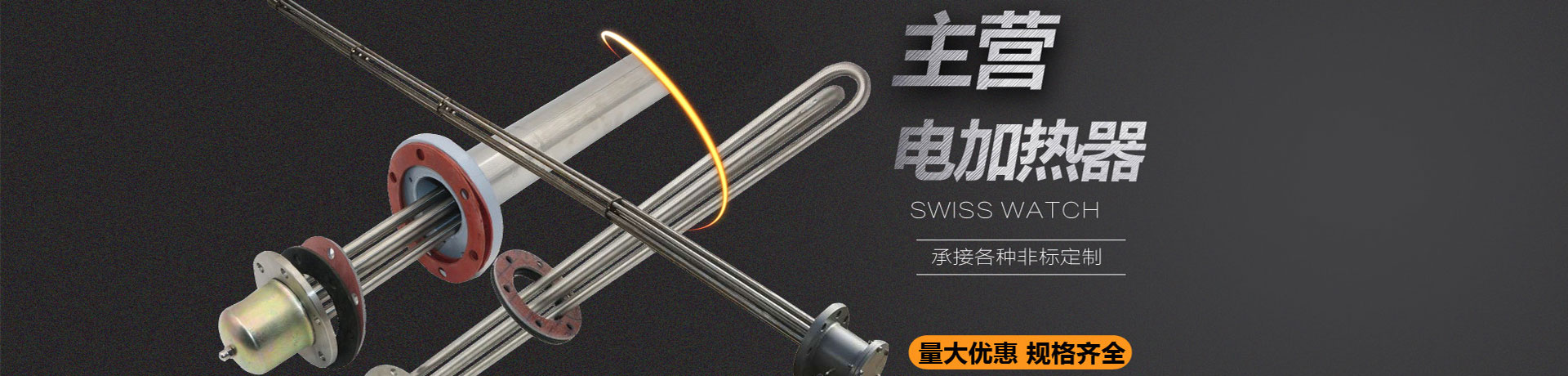
During on-site operation and maintenance, thermal oil in explosion-proof areas heats up slowly and has large temperature fluctuations, often because the heater selection does not match the heat load or the explosion-proof grade is inconsistent. Selection requires first confirming the medium characteristics, explosion-proof marking, and temperature control accuracy, then calculating the power and surface load.
Select ExdⅡB T4 or a higher grade according to the hazardous area classification, and use cast aluminum alloy or 304 stainless steel for the enclosure. The cylinder of the thermal oil heater can be made of 800, 840, or 316L stainless steel, among which 800 contains about 30% nickel and 840 contains about 20% nickel, with high-temperature resistance and corrosion resistance improving in sequence.
Calculate the required power based on the thermal oil flow rate, temperature difference, and specific heat. The surface load is recommended not to exceed 2.5W/cm². Processes such as meltblown drawing air require temperature stability within ±1°C, which requires PID regulation and an explosion-proof temperature control box.
The heater should be lower than the expansion tank to ensure natural convection of the oil. Regularly check the insulation resistance. When it is lower than 5MΩ, inspect for carbon buildup on the sheath or moisture. Replace the sealing ring of the wiring cavity every six months to prevent explosive gas from entering.