The equipment's explosion-proof marking is Ex d ⅡC T6 Gb, suitable for Group ⅡC high-risk gas environments such as hydrogen and acetylene. The standard protection rating is IP54, with IP65 to IP66 available as options for outdoor or humid locations. During procurement, the complete test report of the explosion-proof certificate should be verified, and the nameplate must indicate the Ex marking, explosion-proof type, EPL, temperature class, and gas group. Compared with ordinary industrial electric heaters, this product adopts a unified explosion-proof rating for accessories including junction boxes, cable glands, sealing boxes, and terminals, avoiding the failure of overall explosion-proof performance caused by a single ordinary accessory.
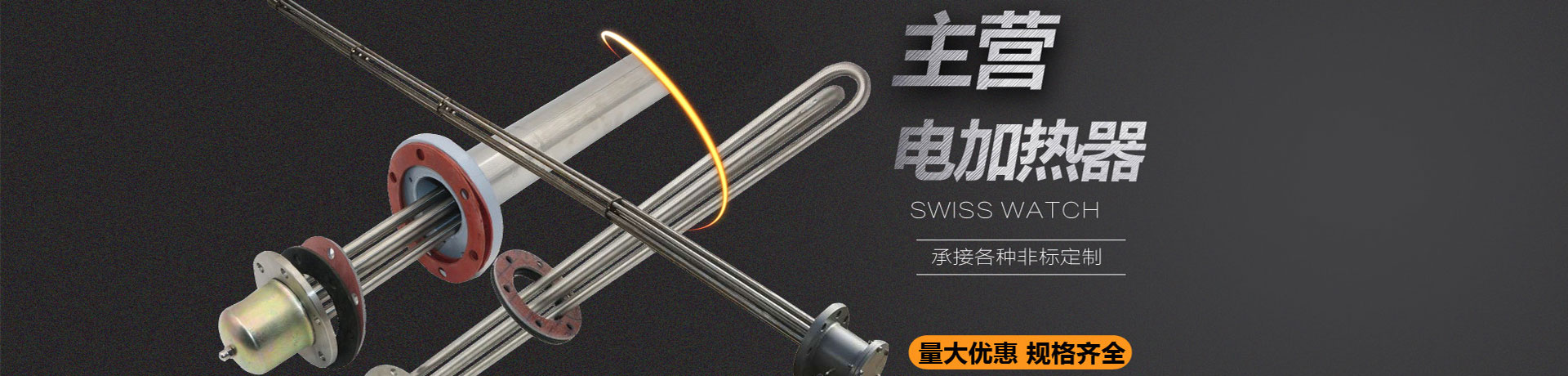
The pipeline-type structure allows the medium to flow through the heating chamber, resulting in relatively high heat exchange efficiency. However, during maintenance, special attention should be paid to the surface power density of the electric heating tubes. When used for heat transfer oil heating, it is recommended to control it below 2.0W/cm² to prevent local overheating and coking; when used for gas preheating, the power density can be relaxed to 3–5W/cm², but it must match the air velocity and pressure drop requirements. Regularly inspect the aging condition of flange sealing gaskets. For high-temperature models (up to 720–850°C), high-temperature-resistant gaskets should be selected. The PID intelligent temperature control accuracy is ±0.2°C to ±2°C. Over-temperature alarms and multiple interlock protections need to be simulated and tested once every quarter. The electric heating tube material can be selected from 316L stainless steel, Inconel 600/625 high-nickel-based alloys. For corrosive media, Hastelloy C276 is recommended.
Compared with flange-type explosion-proof heaters, pipeline-type heaters are more suitable for scenarios with continuously flowing media such as natural gas pressure regulating stations and process pipeline preheating, with stricter pressure drop control; compared with immersion-type heaters, pipeline-type heaters do not directly contact the liquid in the storage tank, so there is no need to drain the medium during maintenance. Compared with crawler-type flexible heaters, pipeline-type heaters are fixed-installed and have higher power density, but lack portability, making them suitable for long-term continuous operation occasions.
In addition to the explosion-proof certificate and CCC certification, for pressure-bearing vessels, the manufacturing license for pressure vessel safety accessories must be confirmed. For ship or offshore engineering applications, classification society certifications such as CCS, DNV, and LR are required. The rated voltage supports 220V/380V and multi-voltage customization. The power range is 1kW to 3000kW. The conventional working pressure is ≤0.8MPa, and high-pressure customization can reach 20MPa. It is recommended to prioritize manufacturers with full-chain explosion-proof accessory supply capabilities to ensure consistent ratings for cables, cable glands, sealing boxes, and terminals.