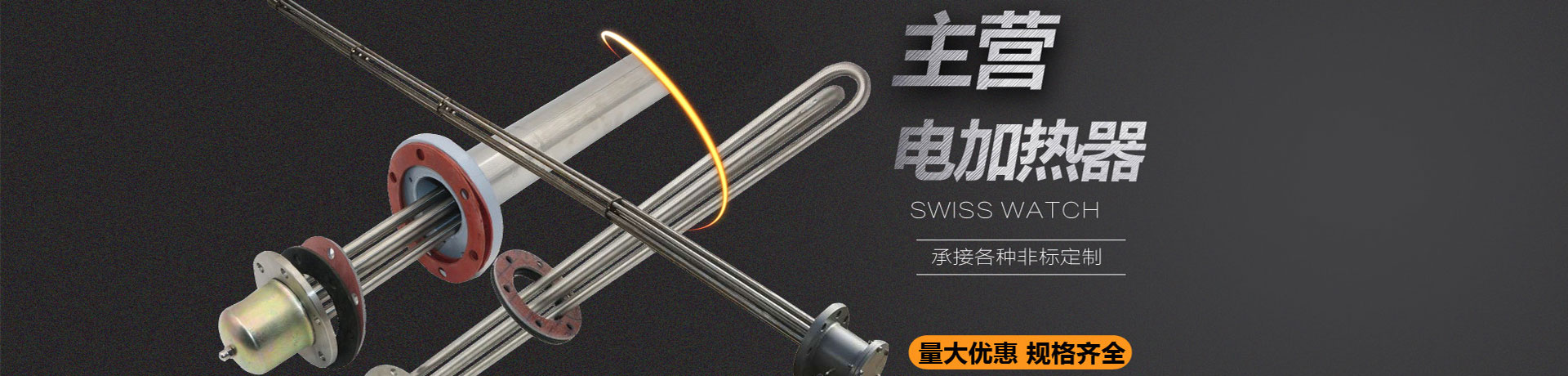
The FBD-380 explosion-proof electric heater is designed in accordance with the GB 3836 series of standards for electrical equipment for explosive atmospheres. Its flameproof marking is ExdIIBT4, making it suitable for locations in factory environments where Class IIA and IIB, T1 to T4 groups of explosive gas mixtures exist. Compared with ordinary industrial electric heaters, this model has been specifically treated in terms of the terminal compartment, terminal sealing, and shell strength, and can operate in Zone 1 and Zone 2 hazardous areas. For non-coal-mining working faces in coal mines, derivative specifications with ExdI rating can be selected.
The heater internally uses clustered tubular electric heating elements, with a maximum power of 5000 kW per element. Compared with distributed multi-tube heating schemes, the clustered structure can arrange a larger heat exchange area within the same volume, and the heating rate is correspondingly increased. In heat transfer oil circulation heating systems, the thermal response time is shortened by about 15% to 20% compared with conventional immersion heaters, and the comprehensive thermal efficiency can reach over 92%. In terms of temperature control accuracy, combined with a PID regulating instrument, the outlet temperature fluctuation can be controlled within ±1°C, making it suitable for process stages with high temperature sensitivity.
The shell pressure resistance is designed for 10 MPa, which can meet medium- and high-pressure heat transfer oil or gas heating conditions. The heating tube material can be selected from 304, 316L stainless steel, or Incoloy alloy, chosen according to the corrosiveness of the medium. Compared with cast iron or carbon steel heaters, the stainless steel clustered structure has a lower oxidation rate during long-term operation in high-temperature heat transfer oil, and the maintenance cycle is relatively extended.
During design selection, the following must be confirmed: hazardous area class and gas group, rated voltage (380V or customized as required), medium type and flow rate, working pressure and design pressure, and inlet and outlet temperature requirements. It is recommended to reserve a 10% to 15% power margin to avoid a decrease in thermal efficiency caused by scaling or flow fluctuations.