
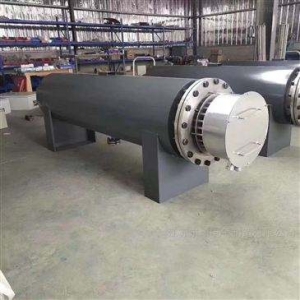
During inspections in chemical plants, if the thermal oil heater heats up slowly and temperature fluctuations exceed the process window, the common causes are coking on the surface of the explosion-proof electric heater or decreased insulation performance. At this time, it is necessary to check whether the heater selection matches the medium flow rate and heat load.
Ordinary electric heating tubes are directly inserted into thermal oil, and the local surface power density is relatively high, which easily leads to oil cracking and coking; while explosion-proof electric heaters adopt a low surface load design and cooperate with thermal oil circulation to reduce the tendency to coke. Compared with steam heating, electric heating requires no boiler or piping and is suitable for small and medium-sized installations without a steam source; compared with electromagnetic heating, explosion-proof electric heaters can be installed directly in hazardous areas, with a simple structure and relatively controllable maintenance costs.
Hazardous area classification and gas group, rated voltage (380V or customized on demand), medium type and flow rate, working pressure and design pressure, inlet and outlet temperature requirements. The inlet temperature is recommended to be below 650°C, and the temperature control range covers 0-2300°C. The common explosion-proof grade is ExdⅡBT4, which can be adjusted according to the on-site gas group. The heating element is made of stainless steel or cast aluminum alloy, with flange or threaded connection.
Suitable for chemical, petroleum, pharmaceutical and other places where explosive gases exist, used for thermal oil circulation heating. During installation, ensure that the heater is completely immersed in the medium, and regularly check coking and insulation resistance. For high-flow conditions, it is recommended to configure a temperature control box to achieve over-temperature protection.

