
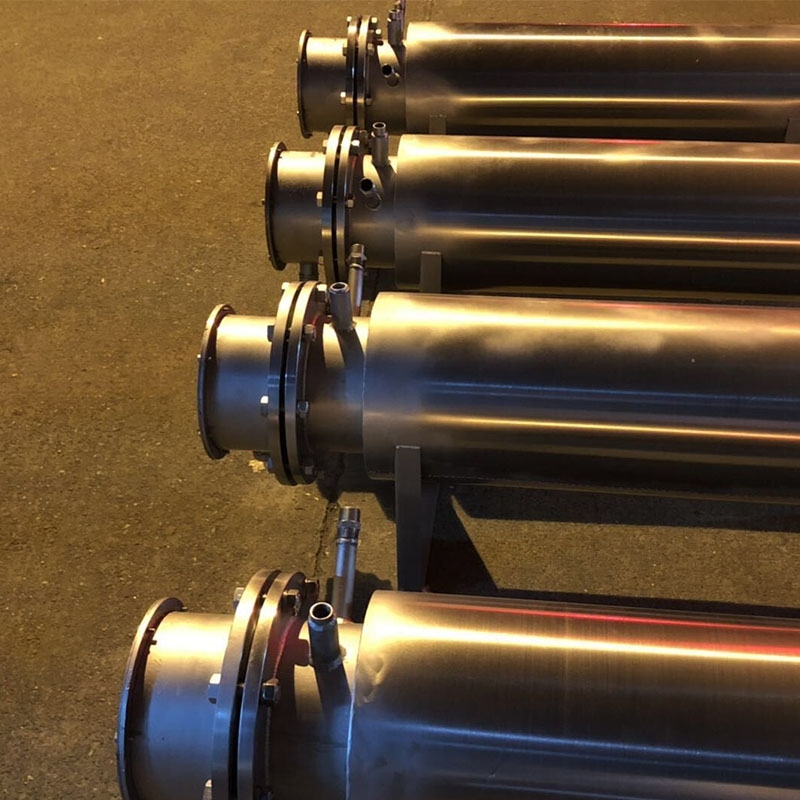
During design and selection in petrochemical plant areas, requirements such as heat transfer oil circulation heating, reactor jacket heating, and natural gas pressure reducing station heat tracing are often encountered. In explosive atmospheres, how can explosion-proof electric heaters match operating conditions and avoid risks? The following Q&A is organized from the perspective of design and selection.
Dust explosion-proof environments require both enclosure protection and flameproof performance; IP65 or above is recommended. For seaside locations or installation positions requiring washing, IP66 should be selected. The FBD-360 is designed as a complete unit in accordance with the GB 3836 series. The cable entry uses G3/4 threads and is equipped with a dedicated explosion-proof cable gland. The cable outer diameter must match the sealing component to ensure reliable sealing at the entry.
It can be applied to the heating of hydrocarbons such as crude oil, heavy oil, fuel oil, heat transfer oil, lubricating oil, and paraffin, as well as reactor jacket heating, material heating, powder drying, and heat tracing for natural gas pressure reducing stations. Heating of ship engine rooms, oil tanks, and chemical tanks must meet CCS/DNV/LR certification requirements, and the scope of the certificate must be confirmed in advance during selection.
With PID algorithms and SCR power regulation, temperature control accuracy can reach ±0.2°C. The equipment must be used together with temperature interlock control and protection devices such as thermocouples, integrating over-temperature protection, low liquid level/dry-burn protection, pressure interlocking, and flow monitoring, and can provide alarm signals such as operation, high temperature, and fault to DCS/PLC systems.
The heating section must be immersed in the medium by more than 50 mm. The 100 mm range near the flange face is a non-heating part, and dry burning is strictly prohibited. The split-type structure allows the core to be replaced without draining the storage tank. Flameproof joint surfaces must not have rust or scratches, fasteners should be made of stainless steel, and regular inspections are required. The equipment must have a valid complete-unit explosion-proof certificate and comply with the selection, installation, and maintenance requirements of GB 3836.15—2024.

