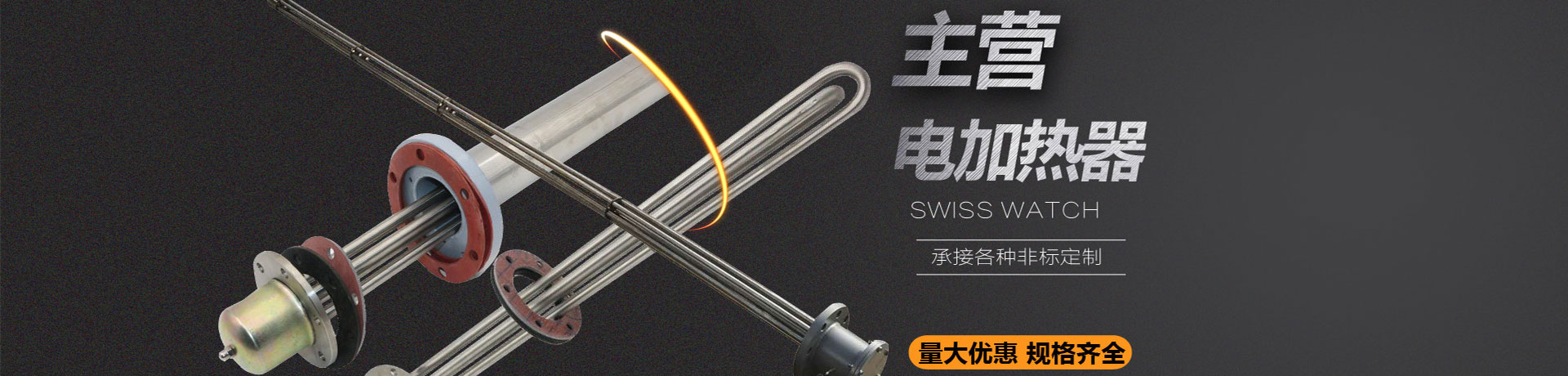
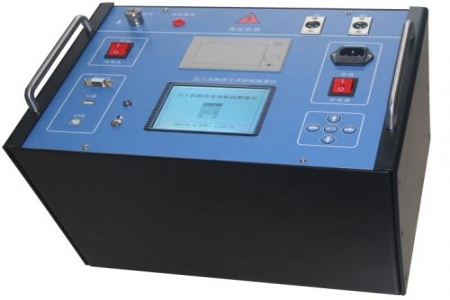
The FBD-600 explosion-proof electric heater is used for heat supplementation in thermal oil circulation systems. The following lists selection and configuration points from the perspective of engineering parameters.
The surface heat load of the electric heater directly affects the service life and heat transfer efficiency of the thermal oil. For mineral-type thermal oil, it is recommended to control the surface heat load within the range of 1.5–2.5 W/cm²; if the medium is synthetic thermal oil or the flow rate is low, the heat load value should be appropriately reduced to minimize the coking tendency caused by local overheating. The FBD-600 offers multiple surface heat load specifications, and users can select according to oil characteristics and circulation flow rate.
Shell-and-tube heat exchangers are suitable for heat transfer between two fluids with greatly differing temperature, flow rate, and cleanliness. In thermal oil systems, the required heat exchange area must be calculated based on heat load, inlet and outlet oil temperatures, and flow rate, with a 10%–15% margin considered to accommodate operating condition changes during startup or low-load operation.
The heater interface flanges can be made of carbon steel, 16Mn, 321, 304, or 316L materials according to operating conditions. When the thermal oil temperature is high or corrosive components are present, stainless steel flanges are recommended; for conventional closed systems, carbon steel flanges can meet the requirements. The flange sealing face type should be consistent with that of the pipeline flanges.
Cable specifications must match the power rating. During selection, the cable cross-sectional area should be determined based on rated current, installation method, and ambient temperature, with an appropriate margin reserved. Cable entry devices in explosion-proof areas should be compatible with the heater's explosion-proof rating to ensure the sealing and flameproof performance of the wiring compartment.
It is recommended to set up an independent over-temperature protection circuit that automatically cuts off the heating power supply when the outlet oil temperature exceeds the set value. At the same time, the heater should be interlocked with the circulation pump to ensure that the circulation pump starts first and the heater is put into operation afterward, avoiding dry burning under low-flow or no-flow conditions.