During on-site operation and maintenance, large fluctuations in the outlet temperature of heat transfer oil furnaces are a common problem: the deviation between the set value and the measured value is obvious, affecting process stability. This is usually related to the heater power regulation method, the location of temperature measurement points, and the circulation status of the heat transfer oil, and needs to be checked item by item.
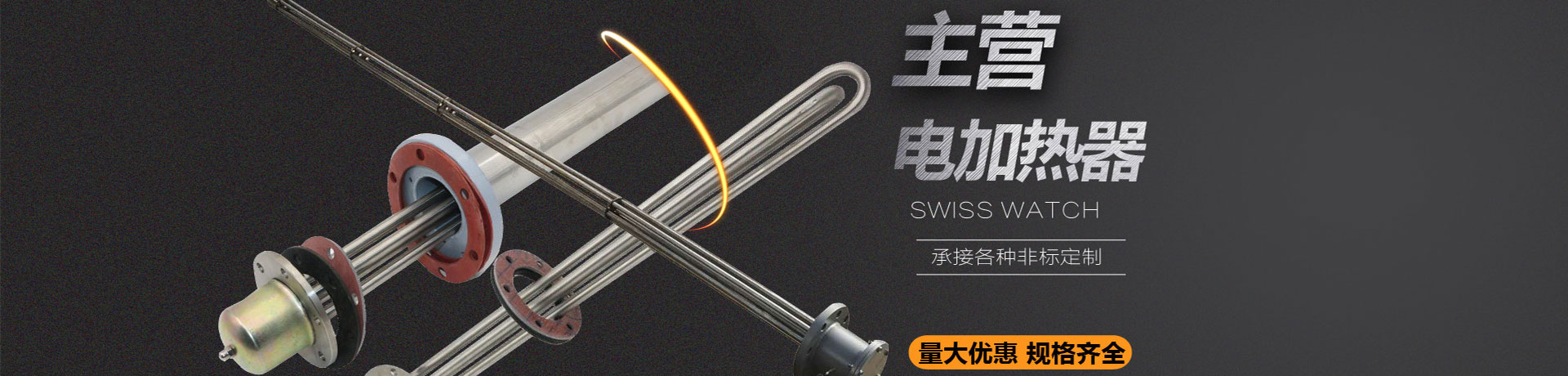
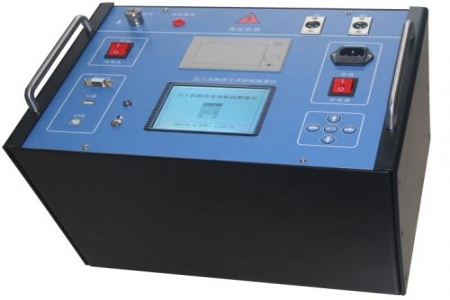
First confirm whether the temperature sensing element is installed close to the outlet of the heating cylinder to avoid local dead zones; then check whether the control loop adopts step-by-step switching or power regulation. Ordinary on-off control easily causes overshoot. The FBD-850 explosion-proof electric heater supports automatic control of parameters such as outlet temperature, pressure, and flow through circuit design, and can be networked with a computer for human-machine dialogue, facilitating remote monitoring and parameter adjustment by operation and maintenance personnel.
According to the on-site space and pipeline routing, the cylinder can be installed vertically or horizontally. Before installation, the foundation load-bearing capacity and maintenance space should be checked to avoid affecting the circulation and exhaust of the heat transfer oil due to improper installation direction.
The heater is designed with a maximum working temperature of up to 850°C, suitable for heat transfer oil heating scenarios with high outlet temperature requirements. During operation and maintenance, attention should be paid to signs of aging of the electric heating materials. The design power load is relatively reasonable, and combined with multiple protections, it helps maintain safety and service life. The tightening status of wiring terminals and insulation resistance should be checked regularly in daily work.
The conversion of output voltage is realized through a contactor circuit, and the overall performance is stable and the operation is simple. Operation and maintenance personnel should regularly test whether protection actions such as over-temperature and flow interruption are reliable, and confirm that the interlock logic is consistent with on-site process requirements, avoiding protection malfunction or failure to operate.