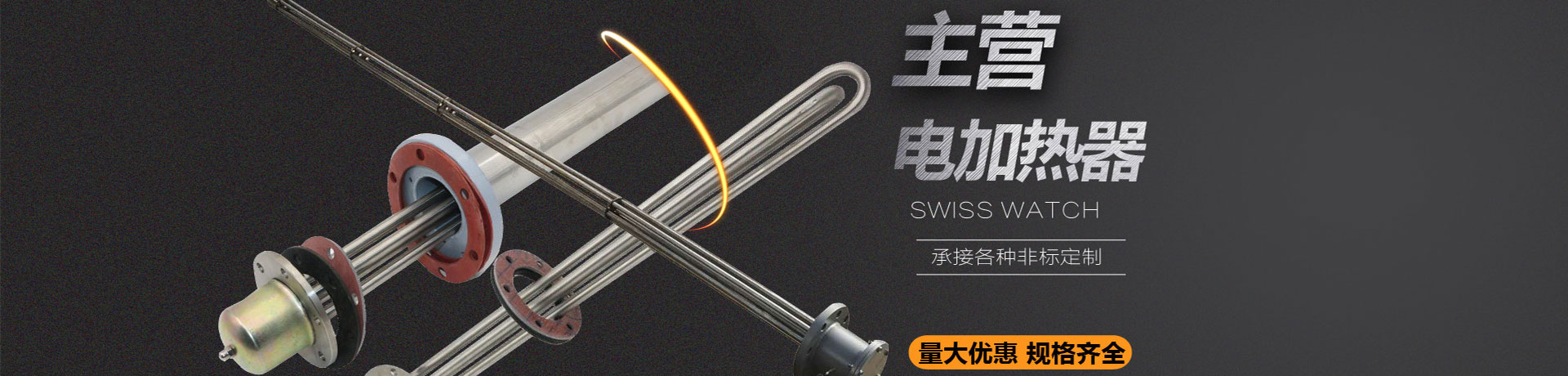
The bolt electric heating rod implements the standard ZBK54019-88, in which indicators such as insulation resistance, withstand voltage, and hot leakage current are directly related to safety and service life. For procurement personnel, when comparing different heating solutions, they should not only look at the initial purchase price, but should comprehensively evaluate by combining maintenance costs and replacement frequency. Compared with induction bolt heaters, resistance-type bolt electric heating rods have a simple structure and strong versatility, but their maintenance requirements are more specific. The following compares the differences between resistance-type and induction-type solutions in procurement decisions from the perspective of maintenance and precautions.
Induction bolt heaters use electromagnetic induction to make the bolt itself generate heat, with no directly contacting heating element, theoretically reducing the frequency of damage and replacement of the heating rod. However, their induction coils have certain requirements for bolt material and specifications, and the equipment cost is relatively high. As a classic solution, resistance-type bolt electric heating rods have a lower purchase cost per unit, but they are consumables and require regular inspection of insulation resistance, lead status, etc. During procurement, the initial investment and long-term maintenance costs should be weighed according to the heating frequency under actual working conditions and the uniformity of bolt specifications. For bolt disassembly and assembly scenarios involving multiple specifications and small batches, the flexibility of resistance-type heating rods has more advantages.
When maintaining resistance-type bolt electric heating rods, focus should be placed on insulation resistance and hot leakage current. The standard requires insulation resistance of no less than 50 MΩ and hot leakage current of no more than 0.5 mA per kilowatt. Before first use after long-term storage, insulation resistance must be tested; when it is lower than 50 MΩ, drying treatment is required. Before each use, check whether the cold-end seal is tightly sealed to prevent moisture from entering and damaging the insulation. The heating rod shell must be reliably grounded. Compared with induction-type solutions, the maintenance work of resistance-type heating rods relies more on daily inspection. During procurement, suppliers may be required to provide insulation resistance test reports and drying treatment instructions.
The installation clearance of resistance-type bolt electric heating rods should be controlled at 0.8~1.3 mm, and the heating position should be in the screw section, avoiding direct heating of the thread and nut parts. Each heating time is generally 10~20 minutes, and the temperature of the center hole wall must not exceed the maximum service temperature of the bolt. The heating rod itself does not contain a temperature control element and must be used with a temperature control box or PLC; K-type or E-type thermocouples can be connected to collect bolt temperature. The power supply must be disconnected when installing or removing the heating rod, and voltage gear shifting under load is strictly prohibited. Although these operational requirements increase the maintenance workload in the use process, they help extend the service life of the heating rod. Induction-type solutions require attention to coil cooling and insulation; the maintenance priorities of the two are different, and the choice should be made during procurement based on on-site operating habits.
To ensure the convenience of subsequent maintenance, when purchasing bolt electric heating rods, it is necessary to provide the bolt outer diameter, center hole diameter, total bolt length, nut length, and the model of the matched heating control cabinet. At the same time, the type of heating rod (hard tube type, flexible tube type, semi-flexible type, or cable type) should be confirmed to match the on-site center hole form. For intermittent heating conditions, the cumulative service life should be no less than 50 hours, and spare parts inventory can be estimated accordingly during procurement. Compared with induction heaters, spare parts management for resistance-type heating rods is simpler, but attention should be paid to storing different diameter and length specifications separately to avoid mismatched clearances caused by mixed use.