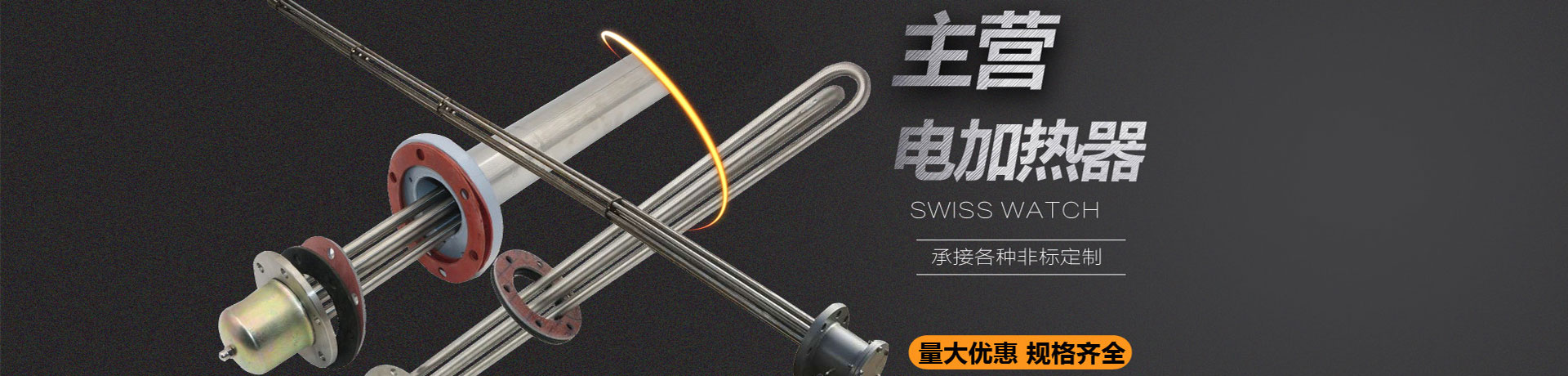
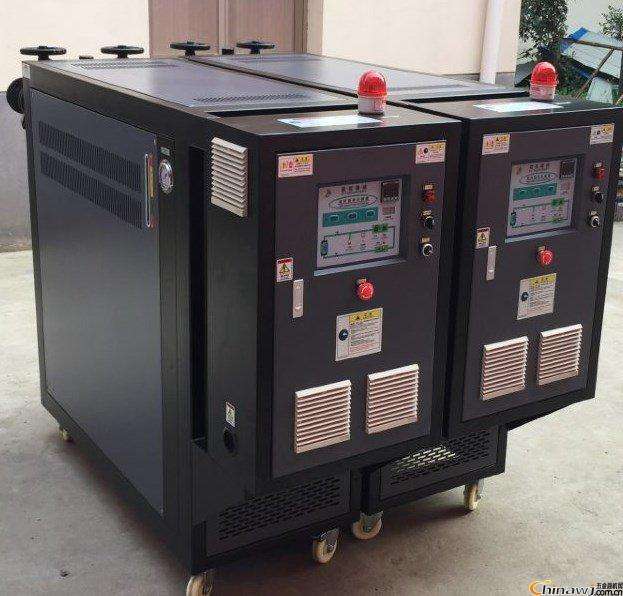
An electric heating furnace is an industrial device that converts electrical energy into thermal energy to heat workpieces or materials. It boasts significant advantages such as high temperature, rapid heating, high thermal efficiency, precise temperature control, environmental friendliness, and ease of automation, making it widely used in metallurgy, machinery, chemical, electronics, laboratory, and many other fields.
Based on different working principles and application scenarios, electric heating furnaces can be mainly classified into the following common types:
1. Resistance Heating Furnace
This is the most widely used type of electric furnace. Its core principle is that when current passes through a conductor with high resistance (such as metal resistance wire, silicon carbide rods, etc.), electrical energy is converted into thermal energy (Joule heating), which is then transferred to the materials inside the furnace through radiation, conduction, or convection.
Main features: Wide temperature range (from room temperature to over 1800°C), uniform heating, precise temperature control (accuracy up to ±1°C), and no combustion pollution during operation.
Common classifications: Include box-type resistance furnaces (suitable for laboratories and small batch production), tube-type resistance furnaces (suitable for heating long strip samples in specific atmospheres), pit-type resistance furnaces (suitable for heat treatment of long shaft workpieces), trolley-type furnaces (suitable for large forgings), bell-type furnaces (suitable for bright annealing of steel strips), and vacuum/atmosphere resistance furnaces, etc.
Application fields: Metal heat treatment (annealing, quenching, etc.), ceramic and glass sintering, new material synthesis, semiconductor processing, and ash determination in laboratories.
2. Electric Heating Thermal Oil Furnace
This is a new type of safe, efficient, and energy-saving special industrial furnace. It uses thermal oil as the heat carrier, converts electrical energy into thermal energy through electric heating elements, and then uses a hot oil pump to force the thermal oil to circulate within the system, thereby transferring heat to the heat-using equipment.
Main features: Operating temperature is usually between 0~350°C (some can reach 400°C); it adopts a liquid-phase closed circulation, eliminating heat losses of steam boilers, resulting in extremely high heat utilization (up to 98% or more); relatively low equipment investment, and environmentally friendly with no pollution.
System composition: Usually consists of an explosion-proof electric heater, organic heat carrier furnace, hot oil pump, expansion tank, and control cabinet.
Application fields: Widely used in petrochemical, chemical reactors, rubber and plastic processing, textile printing and dyeing, building materials, pharmaceuticals, and other industries for processes such as distillation, drying, melting, and heat preservation.
3. Other Types of Electric Furnaces
In addition to the above two types, electric furnaces also include:
Induction Furnace: Based on the principle of electromagnetic induction, it causes eddy currents to be generated inside the metal material, making it heat itself, with extremely fast heating speed.
Arc Furnace: Utilizes the high temperature of an electric arc generated between electrodes and materials to melt metals, commonly used in steelmaking.
Other special electric furnaces: Such as plasma furnaces, electron beam furnaces, vacuum arc furnaces, etc., mostly used for melting special materials or high-precision processing.
Selection and Usage Precautions
Comprehensive cost evaluation: When purchasing an electric heating furnace, one should not only look at the initial purchase price but also include the replacement cycle of consumables such as heating elements and temperature control systems, as well as later maintenance costs, in the total cost evaluation.
Qualifications and compliance: Especially for special equipment like electric heating thermal oil furnaces, it is necessary to focus on verifying whether the manufacturer possesses core qualifications such as boiler manufacturing and pressure vessel manufacturing, as well as relevant certifications like explosion-proof and CE, to ensure the equipment is legal and compliant.
Standard operation and safety: Taking the common laboratory muffle furnace (box-type resistance furnace) as an example, before using new equipment, a stepwise drying process must be carried out; the heating rate should not be too fast; it is strictly forbidden to forcibly open the furnace door at high temperatures, and operation should only be performed after the temperature drops below 200°C to prevent furnace chamber cracking or personal burns.
Environmental considerations: Although electric heating itself has no exhaust gas emissions, its full lifecycle carbon emissions depend on the energy structure of the local power grid. Operating during off-peak electricity periods or incorporating waste heat recovery devices can further reduce energy consumption and carbon footprint.