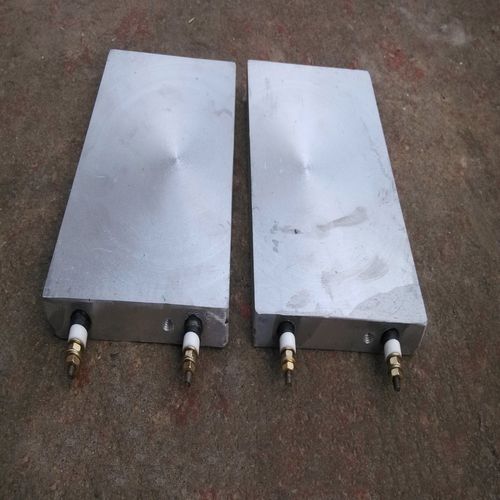
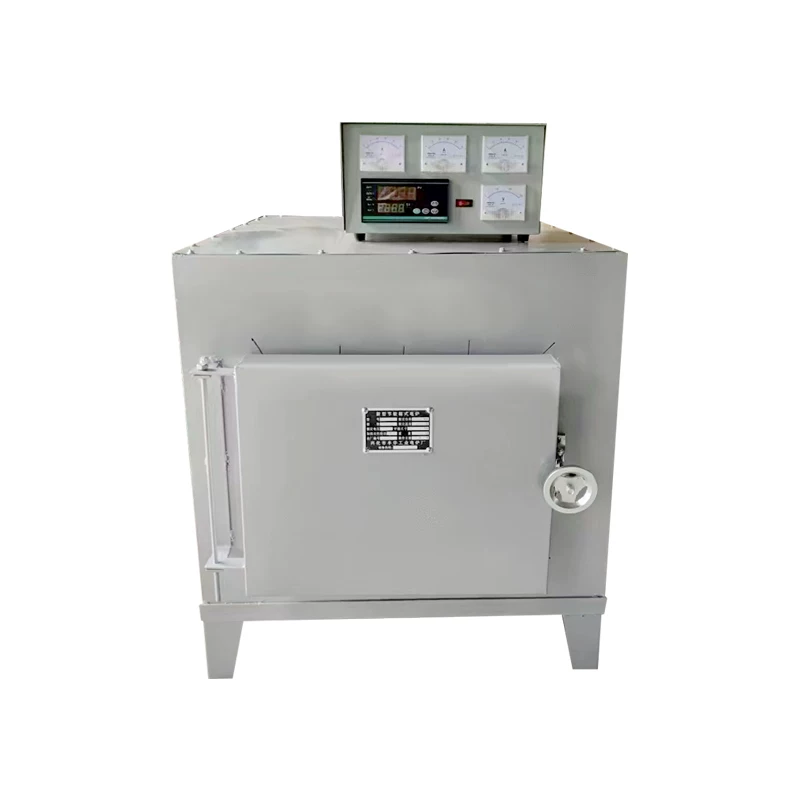
Electric Heating Plate
An electric heating plate is a plate-shaped electric heating device that converts electrical energy into thermal energy. It uses mica plates or ceramics as the insulation layer, combined with metal support materials, to form plate, cylinder, or other shapes, and uniformly heats target objects through heat conduction, radiation, or convection. It is widely used in industrial equipment, laboratories, household appliances, and new energy fields.
Working Principle
Electric heating plates mainly have the following heating methods:
Resistance heating: When current passes through resistance wire (nickel-chromium alloy, iron-chromium-aluminum alloy, etc.) or ceramic heating elements, Joule heat is generated due to the resistance effect. The heat is uniformly conducted to the surface through a high thermal conductivity panel, making it the most common heating method.
Electromagnetic induction heating: High-frequency alternating current passes through a coil to generate a strong magnetic flux, causing eddy currents inside ferromagnetic containers to generate heat themselves. The surface temperature of the heating plate is lower than the container temperature, offering good safety, but it is only applicable to ferromagnetic materials such as iron and steel.
Infrared heating: The surface of the resistance heating element is coated with infrared paint or made of materials like silicon carbide or ceramics to increase emissivity. Heat is directly transferred in the form of radiation and absorbed by the object, suitable for baking, drying, and other scenarios.
In terms of temperature control, precision heating plates are equipped with thermocouples or PT100 sensors, using PID algorithms to adjust power in real time, achieving temperature control accuracy of ±0.2°C to ±2°C.
Main Classifications
By Panel Material
Table
Download as Table
Export as Image
Type Temperature Range Core Features Typical Applications
Stainless Steel (Mica) Type ≤500°C Low cost, good mechanical strength, only 4mm thick General industrial heating, household appliances
Ceramic Type 400~600°C Low leakage current, non-electrified surface, high safety Light/heavy industrial electric heating appliances
Graphite Type Up to 800°C and above Better thermal conductivity than copper and aluminum, resistant to strong acids and bases, fast heating Laboratory digestion, harsh environments
Cast Aluminum/Cast Copper Type ≤450°C Casting process, uniform heating, not easily deformed High-power industrial heating
Silicone Rubber Type Lower temperature Ultra-thin and flexible, waterproof and moisture-proof, can fit irregular surfaces Tight-fit heating scenarios
Carbon Crystal/Carbon Fiber Type Low-temperature radiation Electrical-to-thermal conversion rate >98%, planar heating Low-temperature radiant heating
By Structural Type
Thin-shell type: Spiral heating wire embedded in a thin metal shell, simple structure and low cost, mostly low power below 800W
Cast plate type: The plate surface is a metal casting, high strength and not easily deformed, the mainstream structure in China
Tubular element type: Metal tubular elements bent into planar spiral involutes, large heat transfer area
Tubular element cast plate type: Tubular elements cast into alloy plates, high mechanical strength and long lifespan, suitable for vibration environments
Main Application Fields
Industrial equipment: Mold heating, plastic machinery (injection molding machine/extruder barrel), chemical reaction kettles, pipeline heat tracing
Laboratory: Sample digestion (graphite/ceramic panels), boiling and acid evaporation, constant temperature incubation, compliant with multiple national standard methods such as HJ 781 and GB 5009
Household appliances: Rice cookers, electric irons, electric ceramic stoves, induction cooker panels
New energy vehicles: Battery thermal management systems
Heating equipment: Far-infrared radiant heaters, wall-mounted or ceiling-mounted, silent operation without wind or light
Semiconductor/Medical: Semiconductor temperature control platforms, medical disinfection equipment