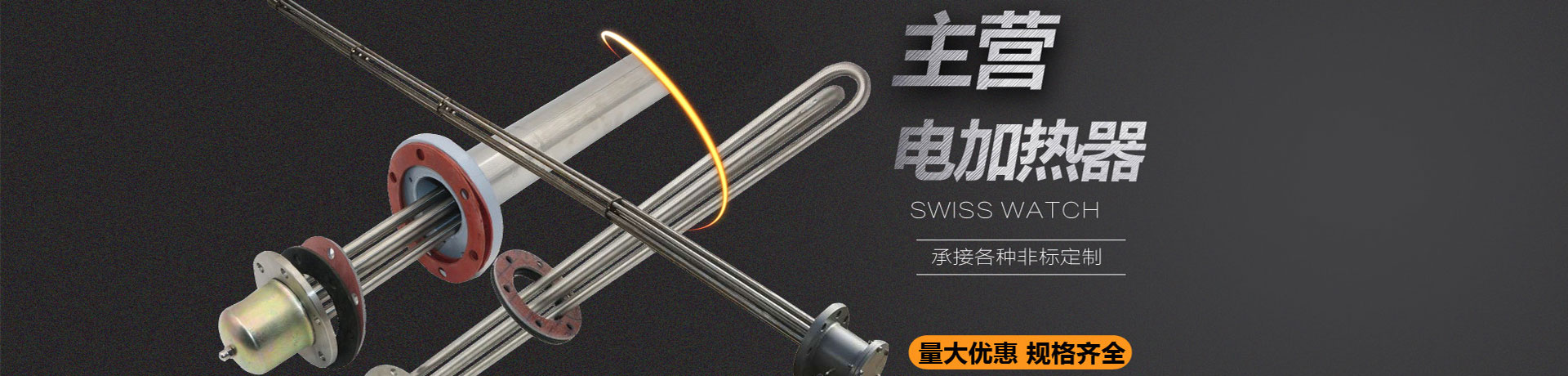
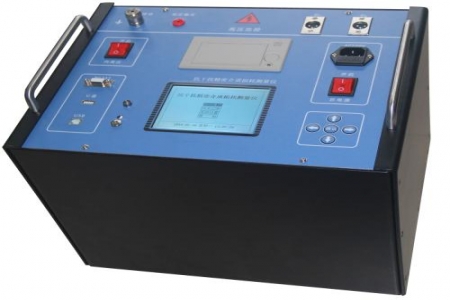
Many factories, when purchasing electric heating furnaces, encounter uneven furnace chamber temperatures that cause batch-to-batch quality fluctuations in workpieces, or selection parameters that do not match the actual process and result in high energy consumption. Procurement personnel need to conduct a systematic evaluation from aspects such as heating principle, structural form, and temperature control capability.
According to the heating principle, resistance furnaces transfer heat through radiation, convection, and conduction from electric heating elements, with relatively good temperature uniformity, and are suitable for annealing, quenching, sintering, etc., with working temperatures covering 400°C to 1700°C; induction furnaces use an alternating magnetic field to generate eddy currents inside the workpiece for self-heating, with fast heating, and are suitable for melting and through-heating. According to structure, box-type furnaces are suitable for laboratories and small-batch heat treatment, pit-type furnaces are suitable for long shaft parts, and car-bottom furnaces are suitable for large workpieces. Before procurement, the maximum working temperature, furnace chamber dimensions, loading capacity, and atmosphere requirements should be verified.
The overall thermal efficiency of industrial resistance furnaces is about 50% to 80%, and the temperature control accuracy can reach ±1°C, supporting multi-stage programmed heating. During selection, it is necessary to calculate the matching degree between rated power and actual load, avoiding excessive power causing impact on the power grid or insufficient power leading to inadequate heating. Arranging heating elements on both sides and at the bottom of the furnace chamber helps improve temperature uniformity. The supporting temperature controller and power regulator should meet the requirements of the process curve.
Operators must undergo professional training and hold certificates for their posts, and user units should formulate operating procedures including startup, operation, shutdown, and emergency shutdown. The equipment should have functions such as over-temperature alarm, thermocouple break protection, and leakage protection. Regularly inspecting electric heating elements, furnace lining, and electrical connections is the basis for ensuring long-term stable operation.