
Uneven temperature in the die head area of a plastic extruder often causes periodic fluctuations in the outlet material flow. After checking the heating system, the issue frequently points to the heat exchanger selection stage. If design and selection personnel determine the heat exchange area based only on experience, it is easy to find during the commissioning stage that the heat exchange capacity does not match the process requirements.
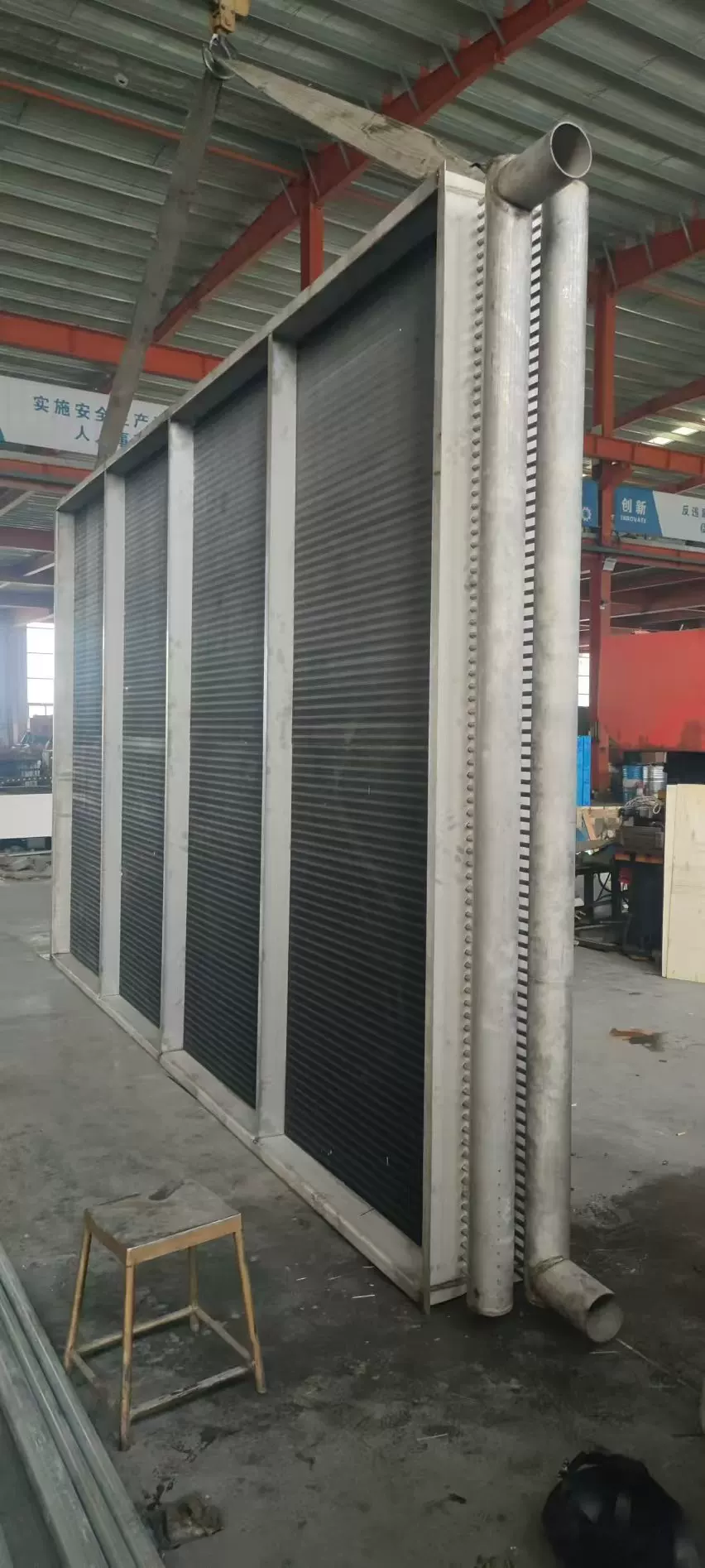
The heat exchange area should be comprehensively calculated based on medium flow rate, inlet and outlet temperature difference, and heat transfer coefficient. If the area is too small, the outlet temperature will fail to reach the set value; if the area is too large, it will increase equipment investment and installation space. It is recommended to reserve a 5% to 10% margin according to the maximum heat load, and to review it in combination with on-site pipeline pressure drop.
Cast aluminum heat exchangers are suitable for medium- and low-temperature uniform heating applications such as plastic machinery, die heads, and water heaters, with relatively low cost; cast copper heat exchangers have better thermal conductivity and high mechanical strength, and are often used in chemical pipelines, alloy die-casting machines, and molds with higher requirements. During selection, the corrosiveness of the medium, working temperature, and pressure rating must be checked.
The HRS-260 hot and cold heat exchanger supports flange or threaded connections, and the direction of the oil inlet and outlet can be adjusted according to the pipeline layout. During installation, ensure that the medium flow direction is consistent with the markings, and reserve maintenance space for subsequent cleaning and upkeep.
This model can be used for barrel temperature control of injection molding machines, thermal balance of die-casting molds, jacket circulation of chemical reactors, and other applications, and works with a temperature control system to achieve switching between heating and cooling.

