
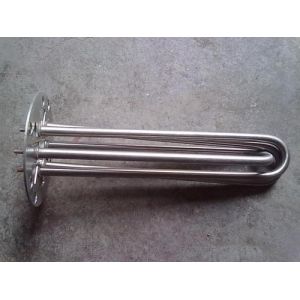
During on-site operation and maintenance, it is common to encounter decreased heat exchange efficiency and elevated medium outlet temperatures during high-temperature summer periods, or worsened medium fluidity and increased heating energy consumption during low-temperature winter periods. These problems are often related to improper matching of heat exchanger material selection, medium corrosiveness, and operating temperature range.
The media contacted by the heat exchanger may be corrosive, and material selection must be based on medium composition, concentration, and operating temperature. If the medium is corrosive, the compatibility of the heat exchange plate material should be confirmed. Cast aluminum heat exchangers are suitable for medium- and low-temperature uniform heating applications such as plastic machinery, die heads, and water heaters, with relatively lower cost; cast copper heat exchangers have better thermal conductivity and high mechanical strength, and are often used in chemical pipelines, alloy die-casting machines, and molds with higher requirements.
When insufficient heat exchange efficiency is found, it is recommended to first measure the temperature difference and flow rate at the medium inlet and outlet, and then check whether the heat exchange area matches the current load. If the medium is highly corrosive, consider replacing the heat exchange plate with a compatible material or adding an anti-corrosion coating. For medium- and low-temperature uniform heating scenarios, cast aluminum material can reduce initial installation costs; for working conditions with higher requirements for thermal conductivity and strength, cast copper material is more suitable.
Regularly clean the heat exchange surface to prevent scaling from affecting heat transfer. Check the aging of seals to avoid medium leakage. Record inlet and outlet temperature and pressure data in different seasons to provide a basis for subsequent selection adjustments.

