
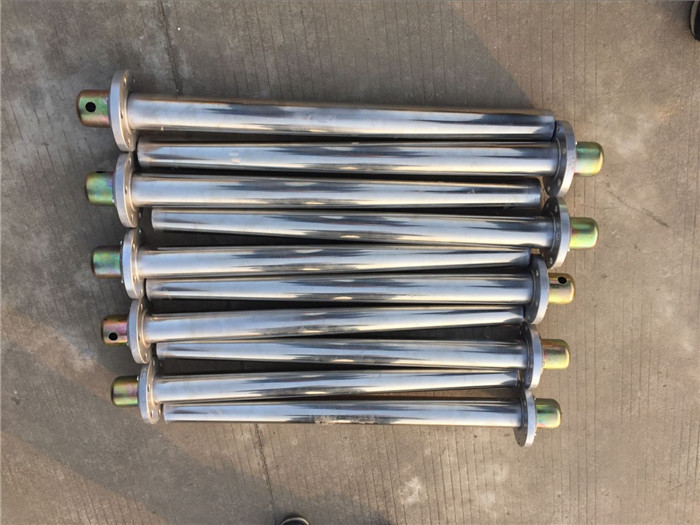
During high-temperature periods in summer, some hot and cold heat exchangers experience reduced heat exchange efficiency, with medium outlet temperatures running high, affecting subsequent processes; in winter at low temperatures, medium flowability deteriorates, and heating energy consumption rises. These problems are often related to improper model selection or lack of maintenance.
Procurement personnel need to clarify the medium temperature, heating and cooling rates, and installation space. For example, for working conditions with large temperature fluctuations, models with an appropriate heat exchange area margin should be selected to avoid long-term full-load operation. At the same time, materials should be selected according to medium composition, concentration, and operating temperature. For example, when in contact with corrosive media, 316L stainless steel or titanium materials can be used.
Regularly clean the heat exchange surface to prevent scaling from reducing the heat transfer coefficient. Check the aging of seals and replace them in time. For media with poor flowability in winter, heat tracing or insulation measures can be considered. If abnormal outlet temperature is found, first check the flow rate and fouling thermal resistance rather than blindly adjusting the heat source temperature.
Choose suppliers with comprehensive after-sales service and technical support, and request factory inspection reports and material certificates. Determine the model according to actual working conditions, and avoid being guided only by price. The HRS-450 hot and cold heat exchanger is suitable for liquid-liquid heat exchange scenarios with medium flow rates and a temperature range of -20°C to 150°C, and offers a variety of material options.

