
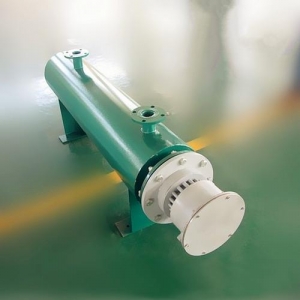
When purchasing a hot and cold heat exchanger, the design, manufacturing, and inspection processes can be checked against standards such as GB/T 151 and NB/T 47004. The following points to confirm are listed from a selection perspective for the reference of procurement personnel.
Common materials include carbon steel, stainless steel, and duplex steel. If the medium is corrosive, the compatibility of the heat exchange plate material should be confirmed, and the supplier may be asked to provide material certificates and corrosion resistance data. For media containing chloride ions or acids, duplex steel or high-alloy stainless steel is usually the preferred direction; for neutral water or low-pressure steam conditions, carbon steel is more cost-effective.
Before selection, it is recommended to record the inlet and outlet temperature and pressure data for different seasons to provide a basis for subsequent selection adjustments. For example, the temperature difference of the same system in summer and winter may differ by several degrees Celsius, directly affecting the required heat exchange area. Procurement personnel may require the user to provide at least one full year of operating records so that the supplier can calculate the heat load. If there is no historical data, the design conditions can be used with a 10%–15% area margin reserved.
It is necessary to confirm the available installation space, connection orientation, and support method at the site. Plate heat exchangers usually require reserved space for plate removal to facilitate later cleaning and maintenance. If space is limited, removable or brazed structures may be considered, but the convenience of cleaning and the initial investment must be weighed.
The supplier should specify the design pressure, design temperature, and test pressure. Procurement personnel need to check whether the system's maximum working pressure is within the equipment's rated range and pay attention to the effect of temperature changes on the service life of the sealing gasket. For conditions with frequent starts and stops, it is recommended to choose a plate structure with better fatigue resistance.
Confirm the supply cycle and price of wearing parts such as sealing gaskets and plates to avoid downtime caused by spare parts shortages. The supplier may be asked to provide a maintenance manual and a list of commonly used spare parts as an attachment to the procurement contract.

