Electric Heating Plate
An electric heating plate is a plate-shaped heating device that directly converts electrical energy into thermal energy, with its core principle being resistance heating (Joule effect). When current passes through the resistance wire, alloy foil, or conductive coating embedded in the plate, heat is generated due to resistance, and then transferred uniformly to objects in contact with it through thermal conduction.
Unlike electric heating furnaces, electric heating plates are typically integrated into various devices as core heating components, or used as independent experimental/industrial heating platforms. They feature compact structure, uniform heating, fast temperature rise, and easy precise temperature control.
Common Types and Characteristics
Electric heating plates are mainly classified into the following types based on insulation layer, shell material, and manufacturing process:
Table
Download as Table
Export as Image
Type Core Structure and Characteristics Typical Application Scenarios
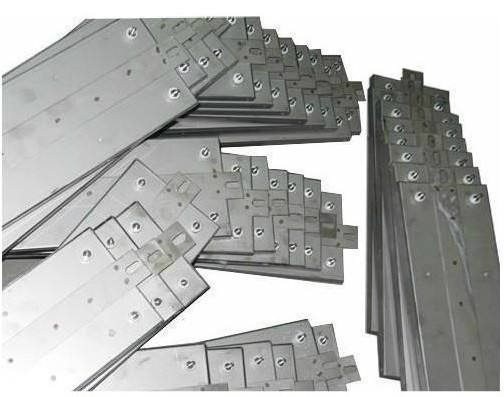
Stainless Steel/Mica Heating Plate Uses mica plate as insulation framework, wound with resistance wire, covered with stainless steel plate. Withstands temperatures up to 500°C, flexible structure, can be made into various shapes. Rice cookers, electric irons, electric kettles, industrial mold heating
Ceramic Heating Plate Embeds heating wire in ceramic material; surface heats up but is not electrified when powered. Good insulation, high safety, corrosion resistance, and thermal stability. Laboratory liquid heating, household appliances, light industrial drying
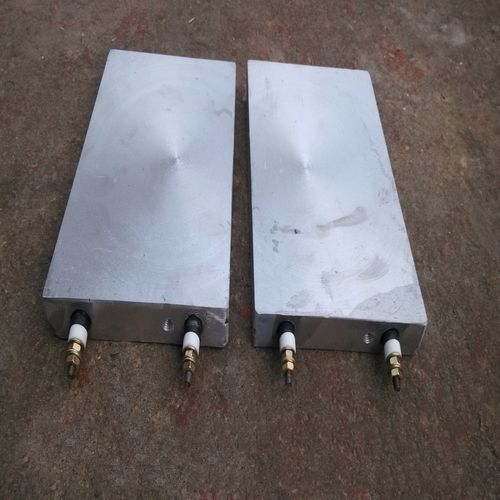
Cast Aluminum/Copper Heating Plate Casts tubular heating elements into aluminum or copper alloy. High strength, not easily deformed, excellent thermal conductivity, very uniform heating. Plastic machinery, packaging machinery, high-end appliances, applications requiring high thermal inertia
Epoxy Resin/Silicone Rubber Heating Plate Ultra-thin (as thin as 0.2mm), uses etched metal foil circuits as heating element, with epoxy resin or silicone rubber as insulation. Flexible, adhesive, minimal thermal inertia. New energy vehicle battery insulation, medical equipment, precision instrument constant temperature, defrosting and demisting
🔬 Laboratory-Specific Electric Heating Plates
In scientific research and testing fields, electric heating plates are indispensable basic equipment, with designs focusing more on safety, temperature control accuracy, and functionality:
Precise Temperature Control: PID intelligent temperature control systems are commonly used, paired with high-precision temperature sensors, achieving control accuracy of ±1°C or even higher, ensuring repeatability of experimental results.
Safety Design:
Corrosion-Resistant Panel: The surface often features Teflon coating or ceramic panels to prevent corrosion from acids and alkalis, and is easy to clean.
Overheat/Dry-Burn Protection: Built-in multiple safety protections; automatically cuts off power when temperature exceeds set limit or when dry burning without a container is detected.
Reliable Grounding: The shell must be reliably grounded to prevent electric leakage accidents.
Function Expansion:
Grooved Panel: The panel has grooves matching containers such as beakers, test tubes, and round-bottom flasks, increasing heating area for more uniform heating, especially suitable for samples requiring dissolution or long-term constant temperature.
Digital Display and Programmable Temperature Control: Digital display shows set and actual temperatures; some high-end models support multi-stage program heating, holding, and timing functions.
Clarify Requirements: Determine the required maximum temperature, heating area, power, and temperature control accuracy.
Match Scenarios:
Household appliances or industrial equipment integration → Choose stainless steel, cast aluminum, or ceramic heating plates.
Space-constrained or curved surface heating → Choose epoxy resin or silicone rubber heating plates.
Laboratory sample processing → Choose laboratory electric heating plates with corrosion-resistant panels and precise temperature control.
Pay Attention to Safety Certifications: Prioritize products certified to relevant safety standards such as IEC 60335-2-12.
Safety Operation Tips
Standard Electrical Use: Must use a grounded three-prong outlet to ensure reliable grounding of the equipment.
Prevent Overflow: When heating liquids, strictly prevent boiling overflow from entering the device interior, which could cause short circuits or damage.
Avoid Dry Burning: Unless it is a specialized dry-burn heating plate, strictly prohibit prolonged power-on without load.
Standard Start/Stop: Set the temperature before turning on the power; after use, first return the temperature adjustment knob to zero, then cut off the power.
Professional Repair: If the equipment malfunctions, immediately disconnect power and have it repaired by professionals; do not disassemble it yourself.