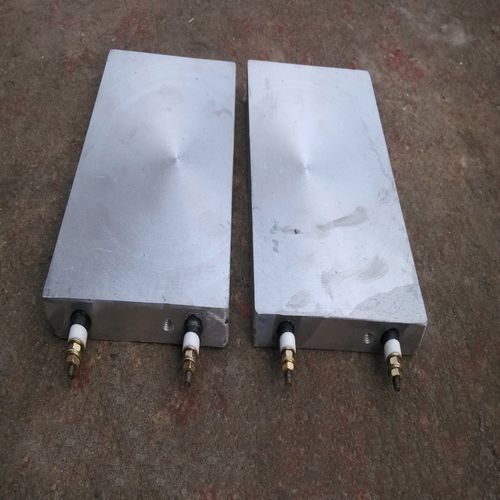
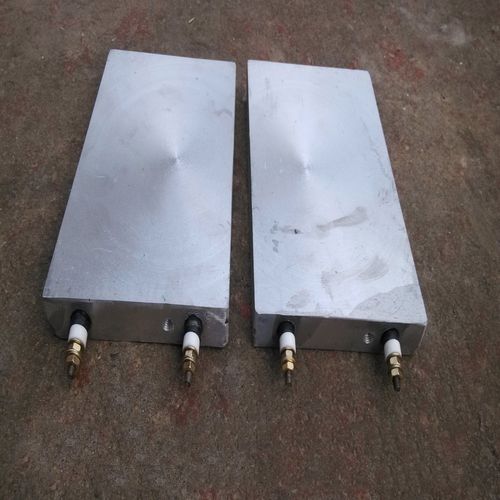
Electric Heating Plate
An electric heating plate is a plate-shaped heating device that directly converts electrical energy into thermal energy. Its core is to generate heat through built-in heating elements such as resistance wires, ceramic heating sheets, or metal foils. Unlike the "cavity heating" of electric heating furnaces, electric heating plates belong to "surface heating," featuring fast heating, large heat dissipation area, high thermal efficiency (some can reach over 96%), uniform temperature, and easy precise control.
According to material, structure, and application scenarios, electric heating plates can be mainly divided into the following categories:
Common Types and Characteristics
Stainless Steel Electric Heating Plate (Mica Electric Heating Plate)
Structure: Uses mica plate as the insulation framework, wraps nickel-chromium alloy resistance wire, and the outer layer is stamped and formed with stainless steel plate.
Characteristics: High temperature resistance (up to 500°C), high mechanical strength, corrosion resistance, and customizable shapes (plate, cylindrical, etc.).
Applications: Industrial mold preheating, plastic machinery, packaging machinery, laboratory sample drying, etc.
Ceramic Electric Heating Plate
Structure: Embeds electric heating wire into ceramic material and sinters it.
Characteristics: The surface is not electrified after power-on, with high safety; it has far-infrared radiation function, good thermal stability, aging resistance, and is not easy to crack under multiple cold and hot cycles.
Applications: Household appliances (such as rice cookers, electric irons), light industry heating, laboratory liquid heating and insulation.
Cast Aluminum/Copper Electric Heating Plate
Structure: Casts tubular electric heating elements into aluminum or copper alloy to form an integrated structure.
Characteristics: Excellent thermal conductivity, extremely uniform heating, not easy to warp or deform at high temperatures, high mechanical strength, and long service life.
Applications: Occasions with extremely high requirements for temperature uniformity, such as injection molds, die-casting molds, chemical reactor bases, etc.
Laboratory-Specific Electric Heating Plates
Graphite Electric Heating Plate: The panel is resistant to strong acids and alkalis, with a large and uniform heating area. PID digital display temperature control has high accuracy (up to ±0.1°C), specially designed for chemical pretreatment such as sample digestion, acid driving, and evaporation.
Anti-corrosion Electric Heating Plate: The surface is treated with anti-corrosion coatings such as Teflon, and electronic components are also treated for anti-corrosion, suitable for wet digestion in environmental, food, pharmaceutical, and other industries.
Stainless Steel Electric Heating Plate: Used for conventional sample drying, drying, and temperature tests, with simple operation.
Other Special Electric Heating Plates
Epoxy Resin Electric Heating Plate: Ultra-thin (as thin as 0.2mm), can be bent or adhesive-mounted, insulated and voltage-resistant, often used in space-constrained or curved surface applications, such as car rearview mirror defrosting and precision instrument constant temperature.
Electric Radiant Heating Panel: A heating device mainly based on infrared radiation, which heats aluminum alloy and other surfaces to radiate heat to the space, similar to solar heating, commonly used for heating in residences, factories, shopping malls, and other places.
Selection and Usage Precautions
Clarify the application scenario: Is it for industrial mold heating, laboratory sample pretreatment, or space heating? Different scenarios have vastly different requirements for material, temperature control accuracy, and anti-corrosion performance.
Pay attention to temperature control methods: For precise experiments or processes, be sure to choose models with PID intelligent temperature control and digital display, and confirm whether the temperature control accuracy (such as ±1°C or ±0.1°C) meets the requirements.
Safety and compliance:
Ensure the product passes relevant safety certifications (such as ISO9001, CE, etc.).
Be sure to install with a leakage protection switch.
When used in the laboratory, avoid spilling liquids on non-anti-corrosion panels to prevent short circuits or corrosion.
Standard operation:
New equipment may have slight smoke or odor on first use (such as volatilization of processing residual oil), which is normal and will disappear after ventilation for a period of time.
During heating, slight crisp sounds may occur due to thermal expansion and contraction, which is usually not dangerous.
It is strictly forbidden to touch the high-temperature panel. After the experiment, it is recommended to wait for more than 1 hour until the panel is fully cooled before turning off the power to extend the equipment's service life.