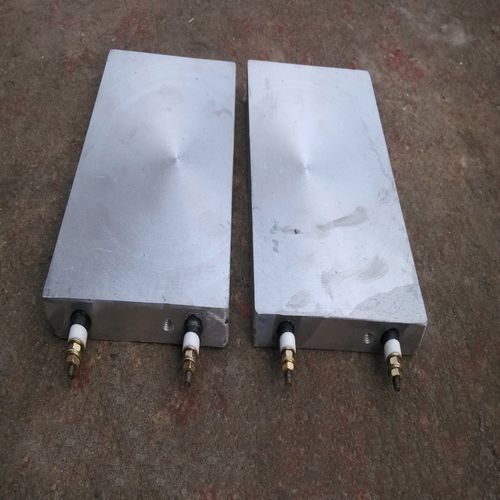
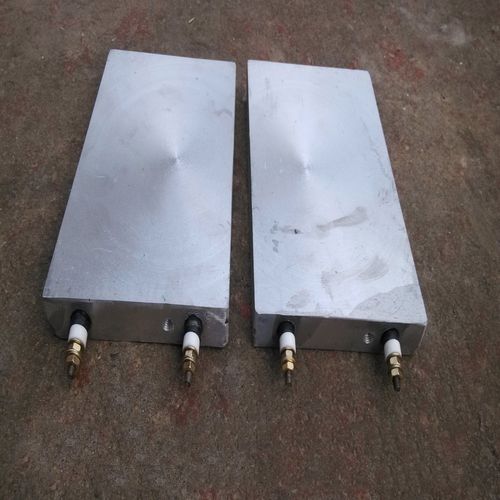
Electric Heating Plate
An electric heating plate is an electric heating device that converts electrical energy into thermal energy. Its core structure uses mica plates or ceramics as the insulating layer, combined with metal support materials, to form shapes such as plates and cylinders. It is widely used in household appliances, industrial equipment, laboratories, and new energy vehicles. By 2025, the industry market size has exceeded 4.2 billion yuan, with a compound annual growth rate of 10.3%.
There are two main heating methods for electric heating plates:
Resistance heating: When current passes through resistance wires (such as nickel-chromium alloy, iron-chromium-aluminum alloy) or ceramic heating elements, Joule heat is generated due to the resistance effect, and then the heat is uniformly conducted to the surface through materials with high thermal conductivity.
Electromagnetic induction heating: High-frequency high current passes through a coil to generate a strong magnetic flux, causing eddy currents inside metal objects to generate heat, resulting in extremely fast heating rates.
In terms of temperature control, they are usually equipped with temperature sensors (thermocouples/RTDs) and PID controllers to monitor and adjust heating power in real time. Precision temperature control accuracy can reach ±0.2°C to ±2°C.
Table
Download as Table
Export as Image
Type Features Applicable Scenarios
Stainless Steel Type (Mica Type) Withstands 500°C, cost-effective, corrosion-resistant Conventional heating, mold heating
Ceramic Type Low leakage current, non-electrified surface, high safety Light/heavy industry, household appliances
Cast Aluminum/Cast Copper Type Casting process, adaptable to complex specifications, high strength Plastic machinery, industrial equipment
Graphite Type Good thermal conductivity, fast heating, resistant to strong acids and alkalis, withstands temperatures above 800°C Laboratory digestion, harsh environments
Silicone Rubber Type Ultra-thin and flexible, waterproof and moisture-proof, customizable shapes Tight-fit heating, medical equipment
Carbon Crystal/Carbon Fiber Type Electrothermal conversion rate >98%, surface heating Low-temperature radiant heating, home heating
Graphene Type Thermal conductivity superior to copper and aluminum, good temperature uniformity High-end industrial heating
High thermal efficiency: Some products can achieve thermal efficiency above 96%, with fast heating and large heat dissipation area
Precise temperature control: PID intelligent temperature control, precision type accuracy up to ±0.2°C, display resolution up to 0.2°C
Uniform heating: The surface uses high thermal conductivity materials, ensuring uniform temperature distribution. Models with good temperature uniformity can control temperature difference within ±1°C
Safe and reliable: Insulating materials isolate live components from the outside, equipped with multiple safety mechanisms such as overheat protection, leakage protection, and automatic power-off
Wide power range: From tens of watts to 20000W, supporting non-standard customization
Main application areas
Laboratory: Sample digestion, acid driving-off, constant temperature experiments, high-temperature material synthesis (environmental testing, food safety, pharmaceuticals, semiconductor analysis, etc.)
Industrial equipment: Mold heating, plastic machinery, chemical heating
Household appliances: Rice cookers, electric irons, electric heaters
Heating and heating supply: Far-infrared radiant heaters, suitable for large spaces such as workshops, schools, hotels, and residences
New energy vehicles: Battery thermal management systems
Decorative heating: Electric heating plates that combine aesthetics and heating functions, such as decorative paintings, wall panels, and screens
🛒 Purchasing Points
Key parameters:
Temperature uniformity: Core indicator, ordinary industrial type ±3~5°C, high-precision type can reach within ±0.5°C
Material selection: For strong acid digestion, choose graphite or ceramic plates; for conventional heating, choose stainless steel plates; for metal/semiconductor samples, choose glass-ceramic plates
Temperature control method: Ordinary type only has on/off control, precision type uses PID intelligent temperature control, split design can prevent acid mist from corroding the controller
Safety functions: Overheat protection, thermal warning (red flashing when surface exceeds 50°C), automatic shutdown, leakage protection
Explosion-proof requirements: Explosion-proof environments must comply with GB3836 standards and obtain Ex certification
Pitfall avoidance tips:
Avoid choosing low-cost sprayed tabletops, as the coating may rust after wear
Comprehensively consider the full lifecycle cost (service life, energy consumption, maintenance cost) rather than only the purchase price