
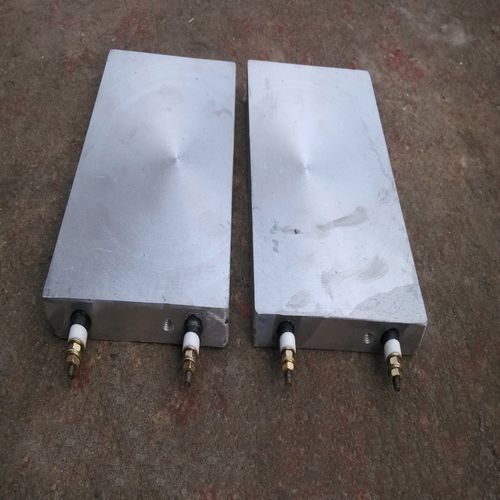
Electric Heating Plate
An electric heating plate is a plate-shaped electric heating device that converts electrical energy into thermal energy. Unlike an electric heating ring, it generates heat over a surface area, offering a larger heating area and more uniform temperature distribution, making it suitable for scenarios requiring large-area uniform heating.
Basic Structure
An electric heating plate typically consists of the following parts:
Heating element: resistance wire (nickel-chromium alloy, iron-chromium-aluminum alloy), ceramic heating element, or carbon fiber, etc.
Insulation layer: mica board, ceramic, silicone rubber, or fiberglass, isolating the live components from the outside
Panel/Enclosure: stainless steel plate, cast iron, cast aluminum, cast copper, or graphite plate, responsible for conducting and evenly distributing heat
Temperature control system: temperature sensor (thermocouple, PT100) + PID controller for precise temperature control
Heating Methods
Resistance heating: current passes through resistance wire to generate Joule heat, which is then conducted through the panel to the object being heated — the most common method
Electromagnetic induction heating: high-frequency alternating magnetic field generates eddy currents inside ferromagnetic containers, causing them to heat up themselves; the heating plate surface temperature is lower than the container temperature, offering good safety
Infrared heating: directly transfers thermal energy in the form of radiation, suitable for baking, drying, and similar scenarios
Comparison of Common Types
Type Temperature Range Features
Stainless steel electric heating plate ≤300℃ Corrosion-resistant, cost-effective, suitable for conventional heating
Ceramic electric heating plate 400–600℃ Non-live surface, low leakage current, high safety
Cast aluminum/cast copper electric heating plate ≤400℃/650℃ High strength, resistant to deformation, high thermal efficiency
Graphite electric heating plate Up to 800℃ and above Extremely fast heat conduction, uniform temperature, resistant to strong acids and alkalis
Silicone rubber electric heating plate ≤240℃ Ultra-thin and flexible, waterproof and moisture-proof, can fit closely
Carbon crystal/carbon fiber electric heating plate Low-temperature radiant heating Electric-to-heat conversion rate >98%, fast heating, surface heating
Main Application Areas
Laboratory: sample digestion, evaporation to dryness, boiling, acid removal; can process multiple samples at once
Industrial production: injection molding machine/extruder barrel heating, mold heating, plastic machinery
Home appliances: rice cookers, electric irons, electric coffee makers, etc.
Heating: far-infrared radiant heaters, suitable for workshops, office buildings, schools, and other large spaces
New energy: automotive battery thermal management systems
Usage Precautions
The contact surface should be flat without bumps to ensure good fit
Place in a dry environment to avoid water immersion affecting insulation performance
Check whether specifications match the operating voltage before installation
After installation, check that all bolts are tightened to prevent thermal expansion and contraction from affecting service life
Must be used at rated voltage, with the enclosure reliably grounded
Cut off power promptly after use; dedicated supervision should be provided during operation
Core Differences from Electric Heating Rings
Comparison Item Electric Heating Ring Electric Heating Plate
Form Ring-shaped/cylindrical Plate-shaped/sheet-shaped
Heating method Wrapping-type heating Surface-contact heating
Applicable scenarios Pipes, barrels, and other cylinders Flat surfaces, molds, container bottoms, etc.
Temperature uniformity Uniform along the circumferential direction Uniform along the plate surface direction